If a garage matters to you, Alpine is one of those rare markets where it can be more than a parking spot. In a borough known for large estates, low-density living, and a luxury housing market with a median sale price of $4.0 million as of March 2026, garage design often becomes part of the home’s overall value story. If you are searching for a property that supports a car collection, a cleaner daily-driver setup, or future-ready storage, it helps to understand how Alpine’s site rules shape what is possible. Let’s dive in.
Why Alpine Fits Car Lovers
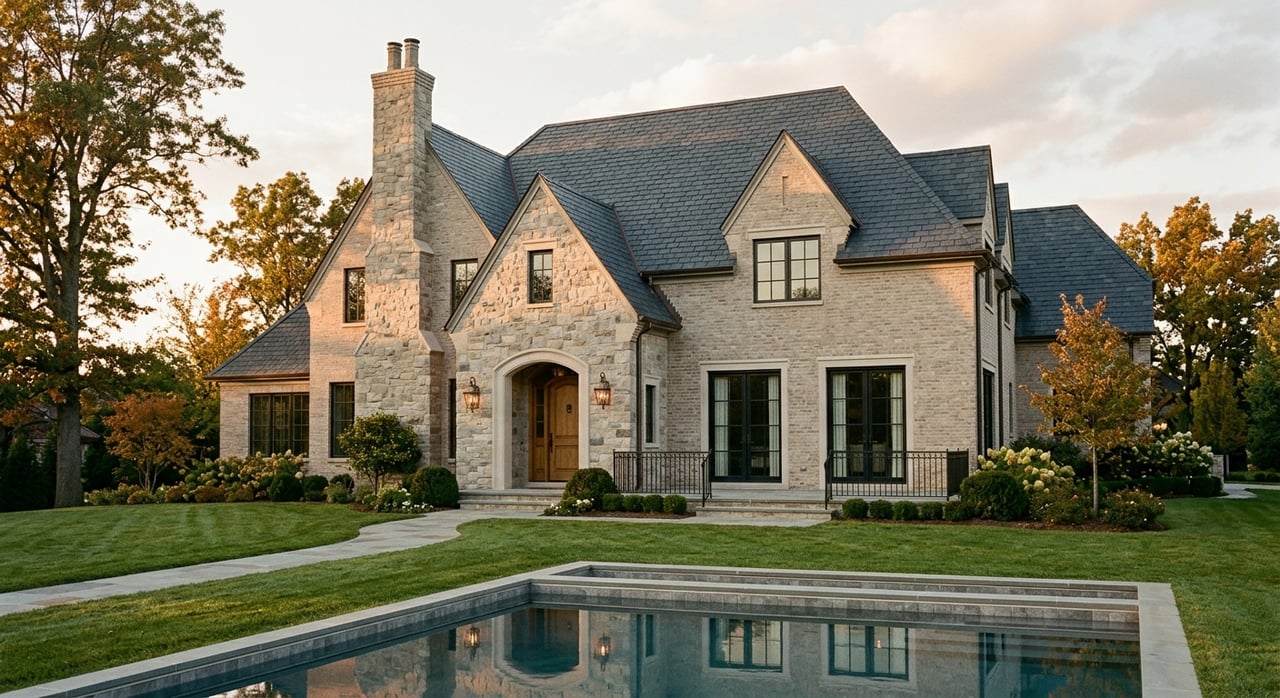
Alpine’s housing profile creates a strong backdrop for garage-focused luxury homes. The borough has 593 housing units across 6.4 square miles, with a 2024 ACS median household income of $246,944. That combination points to a small, high-value market where specialized features can stand out when they are well executed.
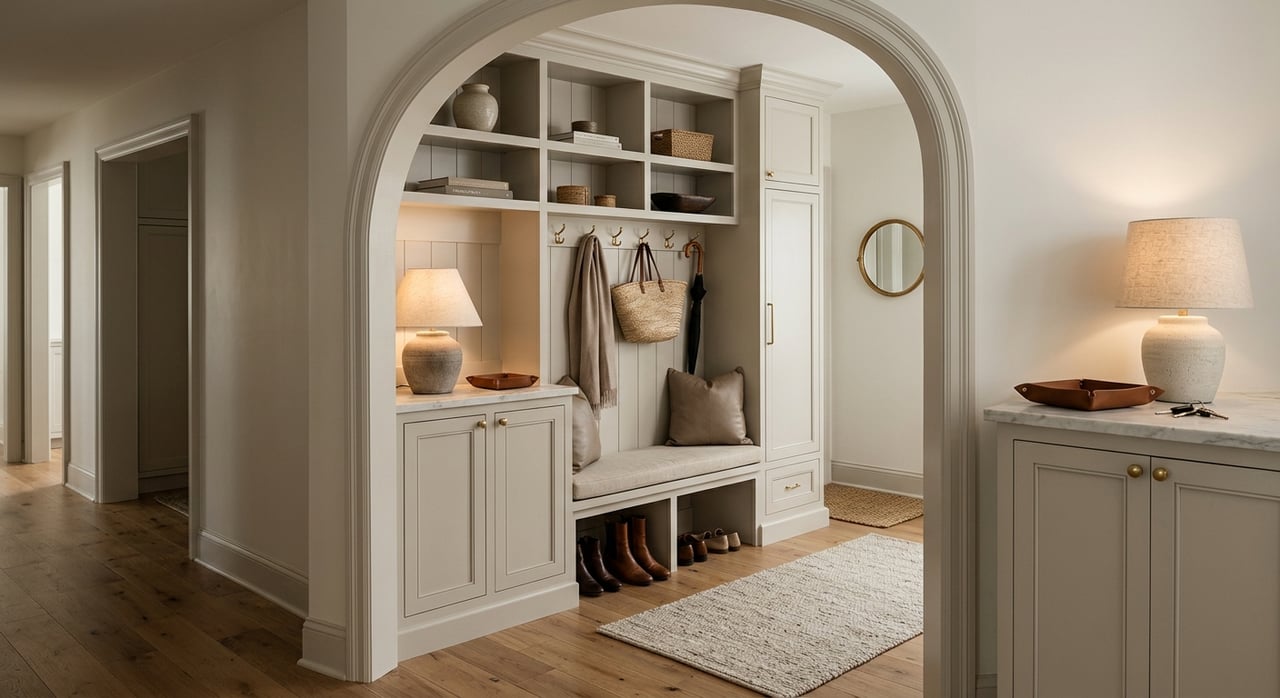
For car lovers, that means the best homes usually do not treat the garage as an afterthought. In Alpine, the most appealing setups tend to feel integrated into the estate, both visually and functionally. Buyers often respond to a garage that supports privacy, clean design, and practical use without competing with the rest of the property.
Garage Design Starts With the Lot
Alpine’s zoning rules make site planning a major part of the conversation. In the borough’s larger single-family zones, minimum lot sizes range from 40,000 square feet in R-1 to 87,120 square feet in R-A and R-R. Building coverage is capped at 9% in the larger-lot zones and 10% in the smaller residential zones, while improved lot coverage is generally capped at 25% or 20% depending on the zone.
That matters because improved lot coverage includes much more than the house itself. It also counts driveways, parking areas, pools, patios, walkways, tennis courts, and other impervious surfaces. So if you are imagining a wide motor court and multiple parking zones, those features need to be balanced against landscaping, recreation space, and the overall site plan.
What Alpine Allows for Garages
Alpine treats garages as a core part of residential use, but the code is structured. The borough requires two off-street parking spaces per dwelling unit and generally allows vehicle storage only in private garages. There is a narrow exception for up to three noncommercial vehicles outside when a property has no garage facilities.
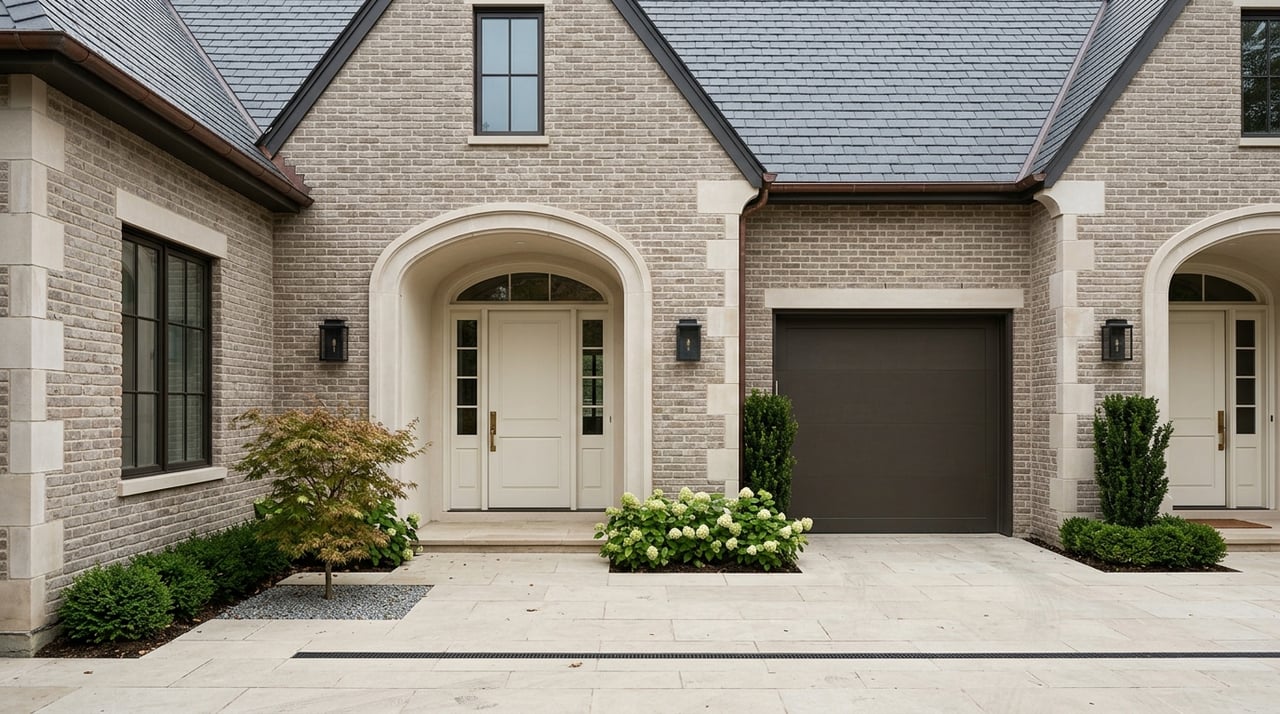
The borough also limits garage frontage by zone. In R-A and R-R, garage access is capped at four single doors or 40 linear feet. In other residential zones, the limit is three doors or 30 linear feet.
For you as a buyer or seller, that means scale has to be handled thoughtfully. A well-designed multi-bay garage can absolutely work in Alpine, but it needs to respect the code and the architecture of the home.
Motor Courts Need a Real Strategy
A motor court can be beautiful and highly functional, especially on an estate-sized property. It creates easier circulation, cleaner arrivals, and more flexible parking for guests or household vehicles. But in Alpine, paved space is never just decorative because driveways and parking areas count toward improved lot coverage.
That makes the motor court a planning decision, not just a style choice. A home with a graceful arrival sequence, turning radius, and parking capacity may feel effortless, but behind that look is usually a careful balance of hardscape, drainage, and open land.
Detached Garages and Workshops
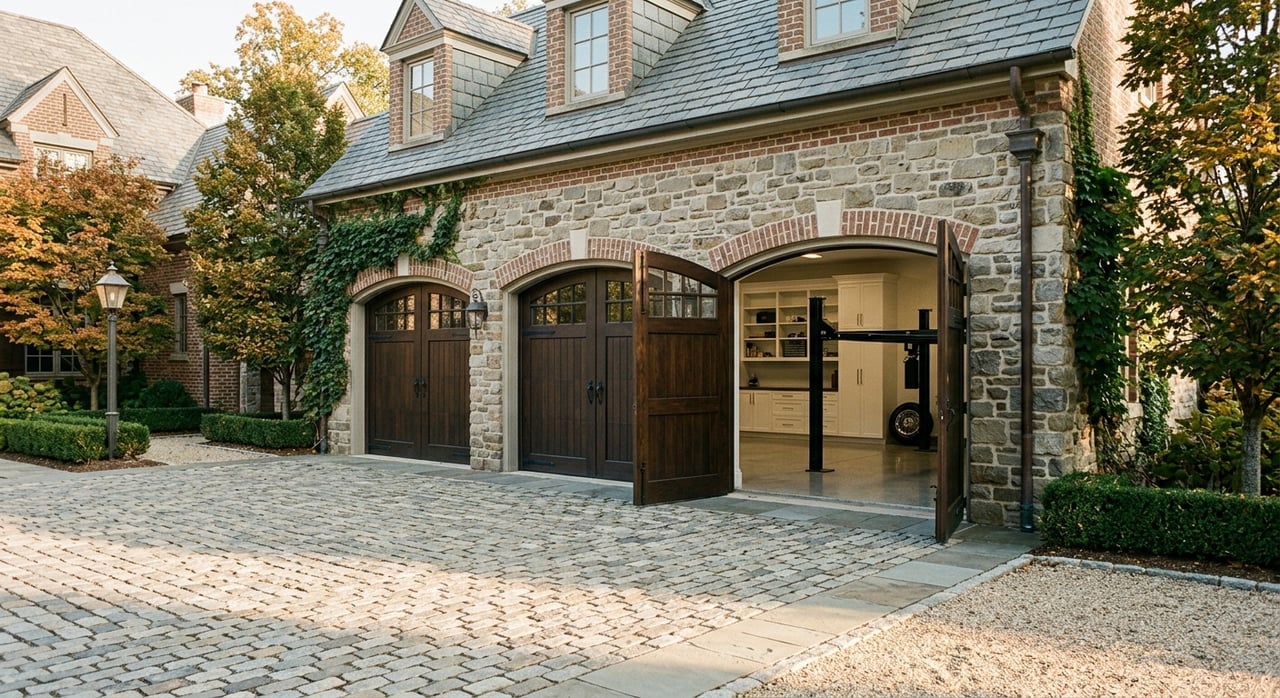
If you are considering a detached garage or workshop, placement matters. In Alpine’s standard residence zones, accessory buildings must be located in rear yards, not front or side yards. They also may not exceed 15 feet in height.
This is where many luxury buyers benefit from looking beyond square footage alone. A detached structure may seem easy in theory, but the site has to support rear-yard placement, required clearances, lot coverage limits, and permit approvals. In Alpine, the best detached garage concepts are the ones that feel subordinate to the main residence and fit the estate as a whole.
Lift Planning Should Happen Early
If you are thinking about adding a car lift, taller garage bay, or overhead storage, the shell matters first. Alpine’s accessory-structure height cap of 15 feet in the classic residential zones means vertical clearance should be evaluated at the earliest design stage. That is not an explicit rule about lifts, but it is a practical takeaway from the borough’s height and permit framework.
For buyers, this means you should look closely at ceiling height, framing, and garage depth before assuming a lift setup will work. For sellers, a garage designed with clean proportions and smart vertical planning can be far more compelling than a flashy finish package that does not solve the space correctly.
Drainage and Terrain Are Part of the Value
In Alpine, garage planning is not just about cars. It is also about the land. For new construction and additions in the R-A, R-AA, R-1, and R-R districts, the borough requires drainage, erosion, and stormwater plans prepared by a design engineer and sized for a 50-year design storm.
That requirement reflects a bigger truth about the market. Terrain, slope, and runoff can influence where you place a garage, how a driveway approaches the home, and how much impervious coverage the site can comfortably support. Alpine’s steep-slope rules are also meant to limit disturbance, preserve vegetation, and protect sensitive land forms and views.
In practical terms, a great garage setup in Alpine should feel effortless on the surface but be technically sound underneath. That kind of planning protects both daily usability and long-term property appeal.
Climate Control Adds Everyday Comfort
A luxury garage should do more than hold vehicles. It should also support comfort, cleanliness, and a better connection to the living space. Department of Energy guidance recommends air sealing and insulating garage-adjacent assemblies, including floors above unconditioned garages, to improve energy performance, moisture control, comfort, and separation from garage pollutants.
For a buyer, this can translate into a garage that feels more usable year-round and less disruptive to nearby rooms. For a seller, climate-conscious garage design helps tell a more complete story about quality and care, especially in a market where buyers expect thoughtful construction details.
EV Charging Fits the Market
Future-ready features matter in the luxury segment, and Alpine’s newer zoning language offers a useful signal here. In a newer residential district, the borough expressly allows electric vehicle charging stations as accessory uses, alongside private garages and driveways. The same code direction also emphasizes that accessory buildings should match the main structure’s architecture and remain screened or buffered.
That approach fits Alpine well. Buyers often want modern convenience, but they also want the estate to feel visually cohesive. A properly integrated charging setup supports both goals.
What Buyers Should Look For
If you are shopping for a luxury home in Alpine and garage space is high on your list, focus on fit before features. The right property should support how you live, how you drive, and how you want the estate to function over time.
Here are a few smart things to evaluate:
- Number and width of garage doors
- Garage depth and ceiling height
- Space for turning, guest parking, and daily circulation
- Whether detached structures are in compliant rear-yard locations
- How much of the site is already committed to hardscape
- Drainage patterns, slope, and driveway design
- Whether EV charging could be added or expanded
- How well the garage matches the home’s architecture
A polished finish is nice, but layout and compliance usually matter more in the long run.
What Sellers Should Highlight
If you are preparing to sell a luxury home with a standout garage, present it as part of the estate experience. In Alpine, buyers are not only evaluating car storage. They are also looking at privacy, design continuity, and how smoothly the garage works with the site.
Strong positioning may include:
- Integrated multi-bay design that complements the facade
- Efficient arrival and turning space
- Well-planned detached garage placement, if applicable
- Clean transitions between garage and interior living areas
- Climate-conscious construction details near garage-adjacent spaces
- Future-ready features such as EV charging
For a design-forward luxury listing, the garage should read as intentional, not oversized for its own sake.
Why Integration Matters Most
In Alpine, the garage story is rarely about excess alone. It is about how well the garage fits the property, the zoning framework, and the home’s architecture. That is especially important in a market where large lots still come with meaningful coverage limits, drainage requirements, and design expectations.
The strongest luxury homes for car lovers usually share one trait: everything feels resolved. The house, driveway, garage access, hardscape, and landscape all work together. That kind of integration is often what separates a memorable estate from one that feels pieced together.
If you are buying or selling in Alpine, a garage can absolutely be a major asset. The key is understanding how to measure value through design, site logic, and long-term usability, not just bay count.
If you want a polished, market-informed perspective on how garage-forward luxury features may influence positioning, presentation, or buyer appeal in Alpine, connect with Taryn Byron .
FAQs
What makes Alpine appealing for luxury homes with serious garages?
- Alpine combines estate-sized residential lots, a high-value housing market, and zoning that treats private garages as a core residential feature, which makes thoughtful garage design especially relevant.
How many garage doors can a home have in Alpine?
- In R-A and R-R zones, garage access is capped at four single doors or 40 linear feet, while other residential zones are capped at three doors or 30 linear feet.
Can you build a detached garage in Alpine?
- Yes, but in standard residence zones it must be placed in the rear yard, remain subordinate to the main house, meet setback rules, stay within the 15-foot height cap, and comply with permit and coverage requirements.
Do driveways and motor courts count toward lot coverage in Alpine?
- Yes, Alpine counts driveways, parking areas, and other impervious surfaces toward improved lot coverage, so a large motor court affects the overall site plan.
Should buyers in Alpine check garage height for car lifts?
- Yes, buyers should review ceiling height and structural layout early because accessory-structure height limits and permit requirements can affect whether a lift or taller storage plan is practical.
Are EV charging stations allowed at Alpine luxury homes?
- Alpine’s newer zoning language in a residential district expressly allows electric vehicle charging stations as accessory uses, which suggests future-ready charging can fit when the district and site plan allow it.