If you are designing boutique luxury housing for the Alpine buyer, bigger is not always better. In a market defined by privacy, discretion, and quality, the winning project is usually the one that feels thoughtful at every scale, from the site plan to the storage layout. When you understand what makes Alpine distinctive, you can create a development that feels aligned with how buyers actually want to live. Let’s dive in.
Why Alpine buyers are different
Alpine is a very small, highly affluent market with just 1,588 residents, 522 households, a median household income of $246,944, and a median owner-occupied home value of $2,000,001, according to Census Reporter’s Alpine profile. That alone tells you this is not a market for standard suburban product. Buyers here are comparing every detail against a very high baseline.
The contrast with the broader county matters too. U.S. Census QuickFacts for Bergen County shows a much lower median owner-occupied home value of $623,000 and median household income of $124,884. For a boutique development near Alpine, that means your product has to feel intentionally elevated, not just slightly upgraded.
There is also a strong place-based identity here. Alpine sits along the Palisades Interstate Park scenic corridor, where buyers have access to overlooks, trails, river access points, and Hudson River and New York City skyline views. That setting shapes expectations around landscape, visual privacy, and outdoor living.
Design for privacy first
For the Alpine luxury buyer, privacy is not an extra. It is part of the product. A boutique building or townhome community should feel calm, buffered, and discreet from the moment someone arrives.
That starts with site planning. Controlled entry, thoughtful circulation, discreet delivery areas, and strong acoustic separation all help create a more refined experience. CBRE’s 2024 luxury real estate report and its related full report PDF both reinforce the importance of intimate scale, security, and privacy in luxury living.
Privacy also needs to show up inside the home. That means separating entertaining spaces from quiet work zones, reducing sound transfer between units, and avoiding layouts that force everyday life into one oversized room. Luxury in Alpine often feels quieter and more edited, not louder or more theatrical.
Right-size the floor plans
One of the biggest mistakes in boutique development is assuming luxury buyers want the largest possible unit. Current NAHB design trend reporting shows buyers continue moving toward better, not bigger homes, with average new-home size falling in recent years and strong interest in personalization.
That is especially relevant in Alpine, where established households are likely to value livability over excess square footage. A smart baseline is a 3-bedroom-plus-flex plan that gives you room for guests, work, hobbies, or multigenerational use without creating wasted square footage. Limited floor-plan types with strong customization options can often feel more premium than a long menu of inconsistent layouts.
The room mix matters as much as the size. NAHB survey data highlights demand for a laundry room, dining room, great room, home office, and separate living room, with buyers typically wanting a home office of at least 100 square feet. In practice, that means every square foot should work harder.
Build flexibility into daily life
The Alpine buyer is often balancing work, entertaining, travel, and time at home. Your plans should support that rhythm with spaces that can adapt over time. A den that becomes an office, a guest room that can function as a library, or a main-level room near a full bath can all add long-term value.
This is also where accessibility becomes part of luxury. According to NAHB buyer preference research, buyers show strong interest in wider doorways, wider hallways, non-slip surfaces, no-step entries, and a full bath on the main level. These features make a home easier to use now and more resilient later.
In a boutique development, those details can help a property feel future-ready rather than trend-driven. They also support resale by broadening the pool of buyers who may find the home comfortable and functional.
Focus on finishes that feel current
Luxury buyers in Alpine expect quality they can see and comfort they can feel. That does not mean every surface needs to be flashy. It means the finish package should feel modern, durable, and consistent with the price point.
NAHB’s latest design trend summary points to continued demand for hardwood flooring, quartz or engineered stone countertops, ENERGY STAR windows and appliances, programmable thermostats, multizone HVAC, lighting control systems, and strong exterior lighting. These are not just features on a checklist. They shape how polished the home feels day to day.
There is also a clear value argument for newer, better-built product. In NAHB’s home value study, homes built after 2020 were valued higher than homes built before 2010, and full bathrooms were shown to add meaningful value. For a boutique project, that reinforces the payoff of investing in durable systems, updated architecture, and a finish package that will still look relevant years from now.
Treat performance as part of luxury
In a market like Alpine, performance should never be hidden behind design. Quiet interiors, stable temperatures, quality glazing, and efficient mechanical systems all contribute to the kind of comfort buyers notice immediately.
NAHB research also shows that interest in green and technology features tends to rise with income, and many buyers are willing to pay more upfront when efficiency lowers long-term utility costs. That is why efficient windows, strong insulation, and quiet HVAC systems can support both the luxury story and the practical story.
The key is to position performance in human terms. Buyers may respond more strongly to comfort, quiet, and ease of use than to technical language alone.
Make parking and storage non-negotiable
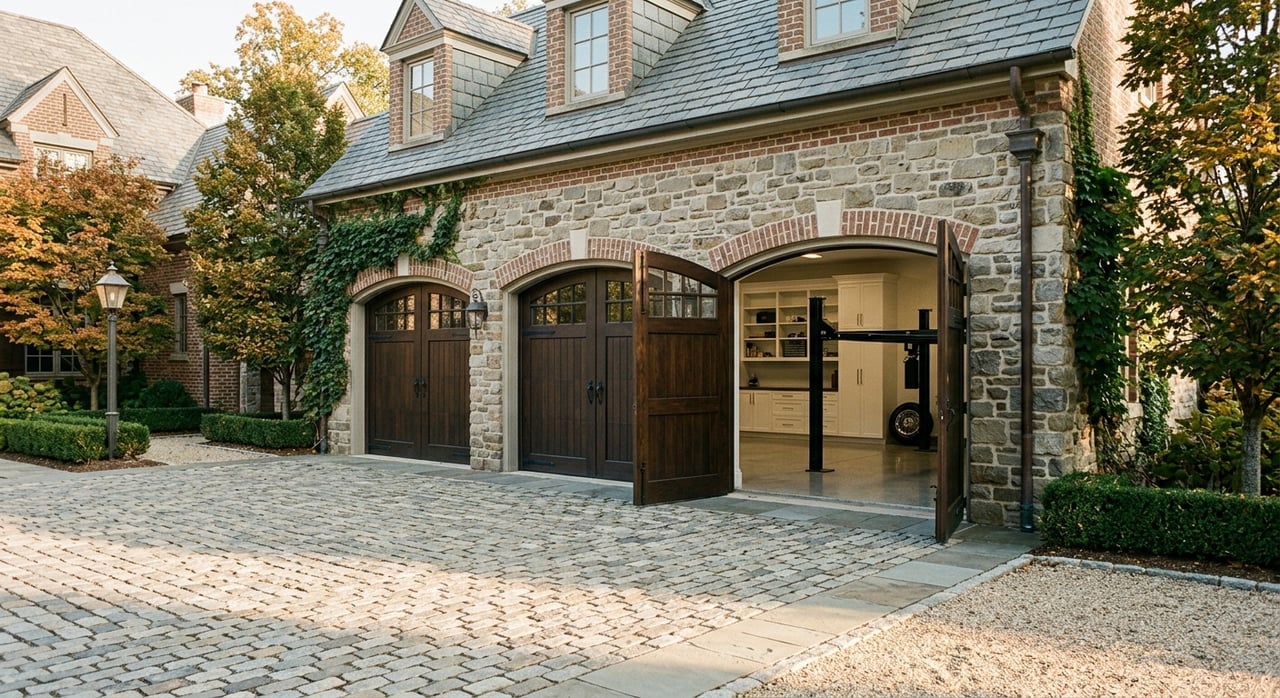
In boutique luxury development, parking should never feel like leftover planning. It should be built into the concept from the start. NAHB research found that 42% of buyers prefer a two-car garage, and its value study also notes that garages can add meaningful value because they provide protected parking and useful storage.
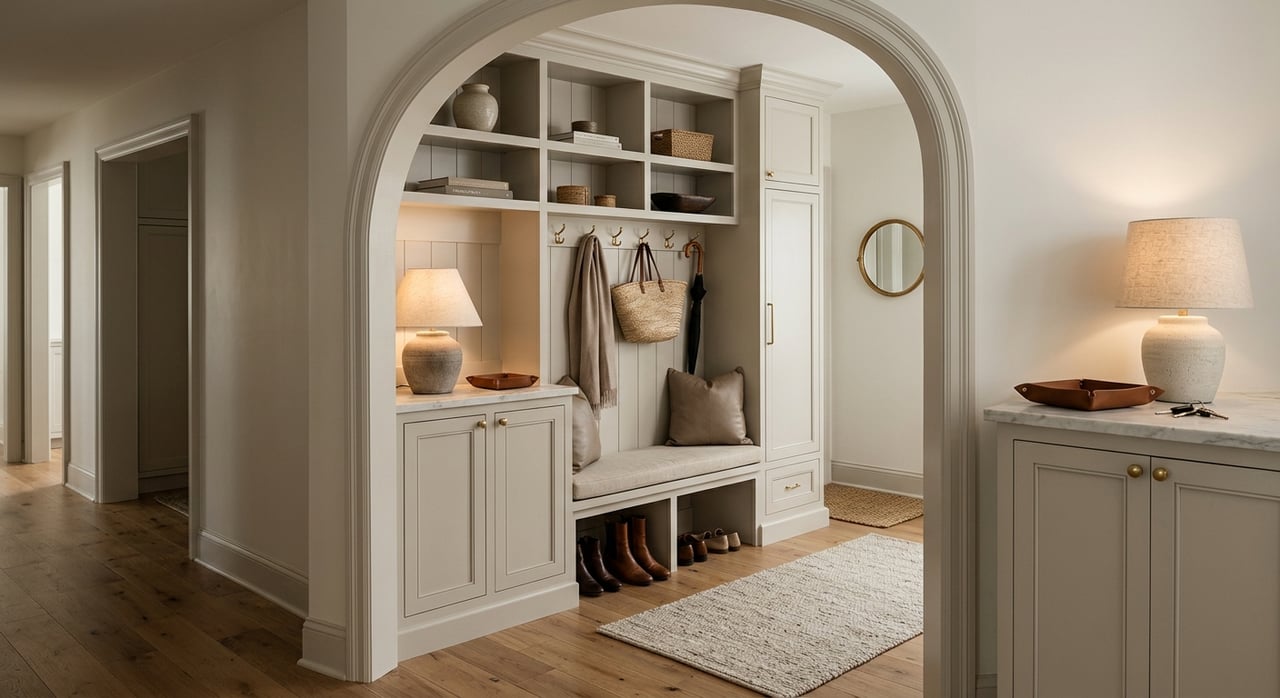
That is particularly important in Alpine, where convenience and discretion matter. Covered parking, direct entry, organized garage storage, and mudroom-style transitions can make everyday living feel much smoother. These are practical features, but in this market, practical luxury is often what sells.
Storage deserves the same attention. If the unit is right-sized rather than oversized, storage has to be carefully planned, not improvised. Walk-in pantries, linen storage, seasonal closets, and garage organization can all help the home feel complete.
Keep amenities selective and useful
A common mistake in boutique development is overloading the project with amenities that look impressive on paper but add little to daily life. Alpine-area buyers are more likely to respond to quality, privacy, and utility than to a long list of novelty spaces.
NAHB community preference data favors features like walking and jogging trails, park areas, nearby retail, and walkable surroundings. For a smaller luxury project, that suggests a more disciplined amenity strategy: landscaped common areas, small courtyards, direct outdoor access, and one or two thoughtfully chosen shared spaces can be enough.
The same research shows strong interest in patios, decks, porches, and exterior lighting, while features like elevators, daycare centers, wine cellars, and pet-washing stations ranked among the least wanted. In other words, private outdoor space often beats oversized shared amenity decks in this kind of submarket.
Use the landscape as a selling feature
Alpine’s natural setting should influence more than the marketing. It should shape the development itself. The nearby Palisades corridor offers a clear local cue: buyers are drawn to scenery, screening, trails, river access, and view potential.
That means landscaping should do more than decorate the perimeter. It should create privacy, frame approach views, soften edges, and improve the indoor-outdoor experience. If the site allows for terraces, roof decks, or screened patios, those spaces should feel intentional and protected.
In a boutique project, good landscape planning can make the whole development feel more expensive without adding unnecessary square footage. It helps the community feel rooted in Alpine rather than dropped into it.
Create a custom feel at boutique scale
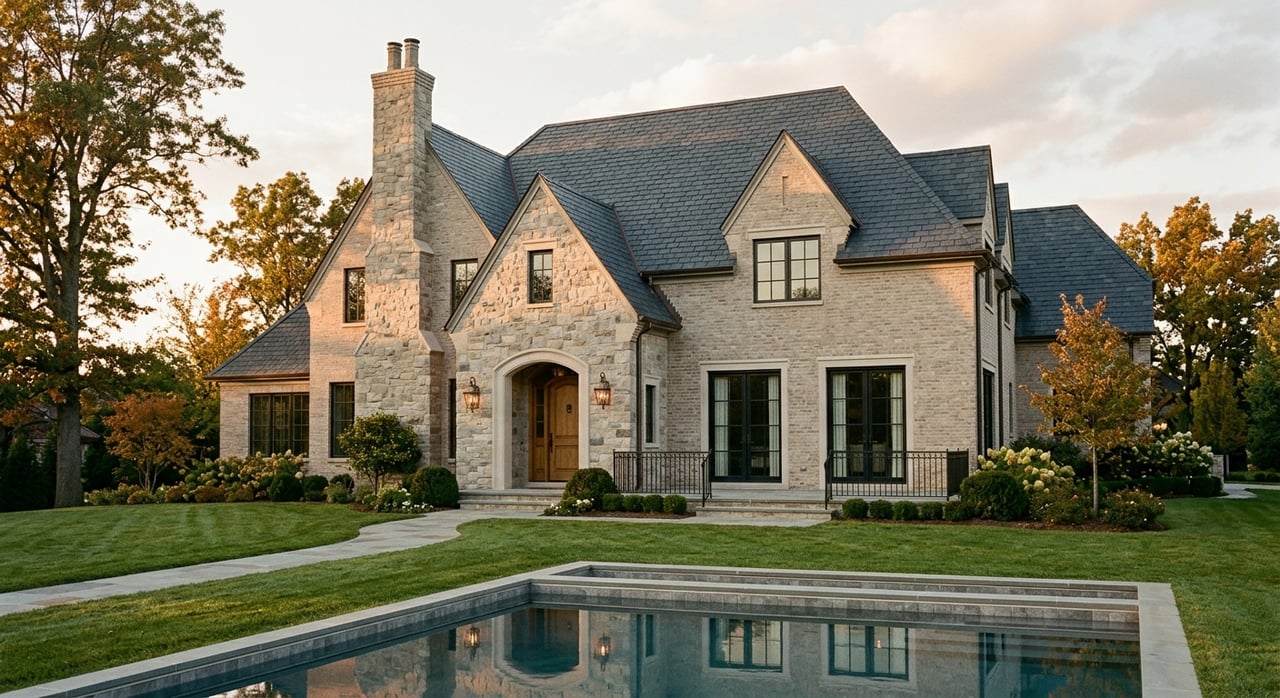
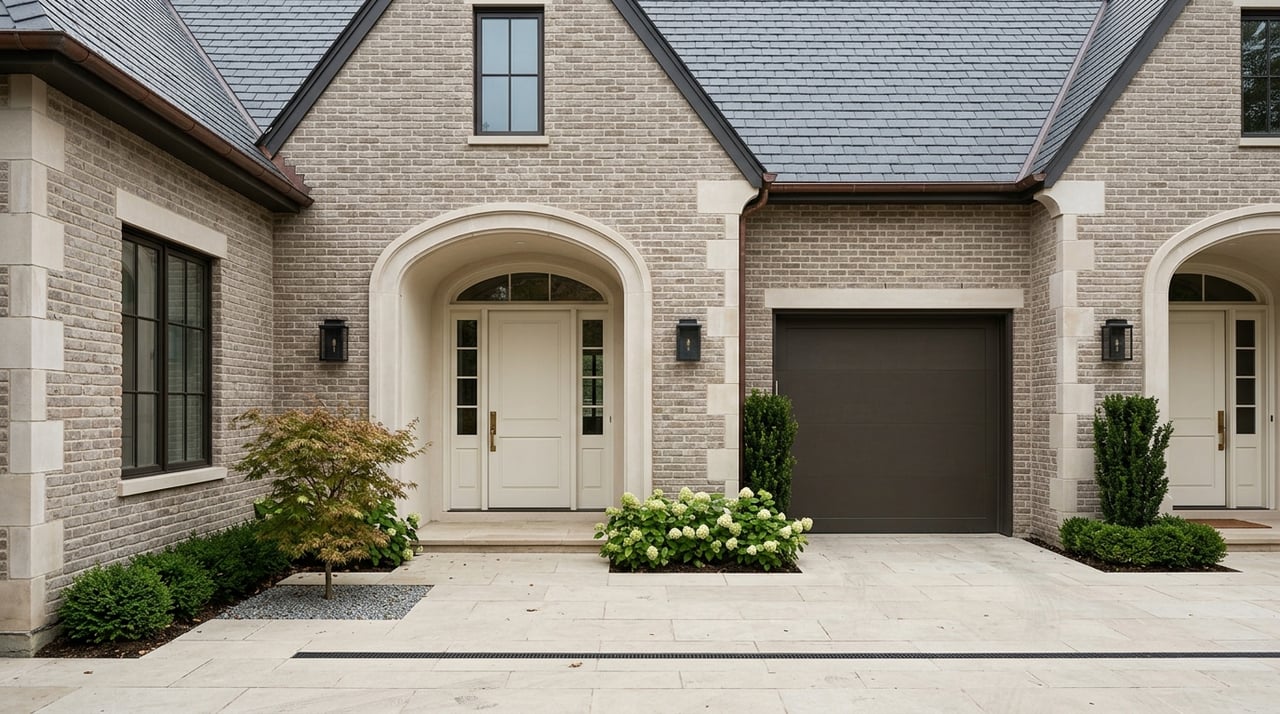
Luxury buyers in this market do not want a downsized version of a suburban spec house. They want something that feels edited, design-forward, and complete. That is why smaller-scale developments need to deliver a strong sense of identity from architecture to interiors to the arrival sequence.
The most compelling brand story for Alpine-area product is often one that is private, limited in scale, and highly livable. The research points to an affluent, educated, privacy-sensitive buyer who values function, finish quality, and low-density living. That combination rewards developments that feel custom and calm rather than oversized and generic.
This is also where expert collaboration matters. When architecture, interiors, site planning, and go-to-market strategy are aligned from the start, the project reads more clearly to the buyer. That kind of cohesion can support stronger positioning and smoother sales.
What developers should avoid
The research is remarkably consistent on what does not work. Oversized plans, undersized storage, weak parking solutions, and flashy amenities that do not improve daily living all work against the Alpine buyer profile.
Instead, the strongest boutique developments tend to share a few traits:
- Right-sized floor plans with flexible rooms
- Strong privacy and acoustic separation
- High-quality finishes with modern systems
- Meaningful storage and protected parking
- Private outdoor living spaces
- Selective amenities with real day-to-day value
- Site planning that respects landscape and views
When those pieces come together, the result feels distinctly more refined. And in Alpine, refined usually performs better than excessive.
Designing for the Alpine luxury buyer takes more than premium materials and a high price point. It takes a clear understanding of how this market lives, what it values, and how boutique development can deliver privacy, comfort, and design integrity at the same time. If you are shaping a luxury townhome or condo project in Northern New Jersey, partnering with a market expert who understands both the build and the buyer can help you position it more effectively from day one. To explore a smarter strategy for your next development, connect with Taryn Byron.
FAQs
What do Alpine luxury buyers want in a boutique development?
- Alpine luxury buyers often prioritize privacy, functional layouts, quality finishes, strong storage, protected parking, and private outdoor space over oversized homes or flashy amenities.
Why should boutique developments near Alpine avoid oversized floor plans?
- Current buyer preference data shows strong demand for better use of space rather than simply more square footage, especially when layouts include flexible rooms like offices or dens.
Which features add value in Alpine-area luxury townhomes and condos?
- Features supported by the research include full bathrooms, two-car garages, hardwood flooring, quartz or engineered stone countertops, efficient windows and appliances, multizone HVAC, and thoughtful outdoor living areas.
How important is privacy in Alpine new development design?
- Privacy is central in this market, which makes controlled entry, discreet circulation, acoustic separation, screening, and low-density site planning especially important.
What amenities make the most sense for Alpine boutique communities?
- The most effective amenities are usually selective and practical, such as landscaped courtyards, walking access, patios, terraces, and other outdoor spaces that improve daily use without overcomplicating the project.