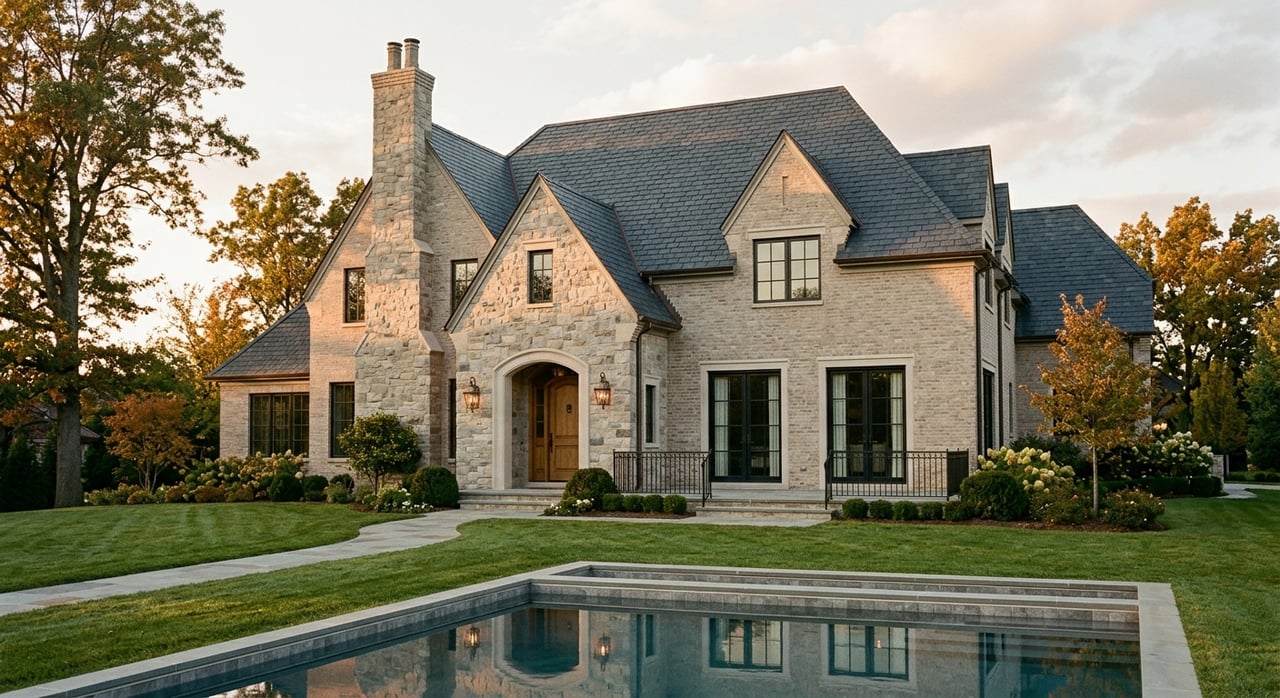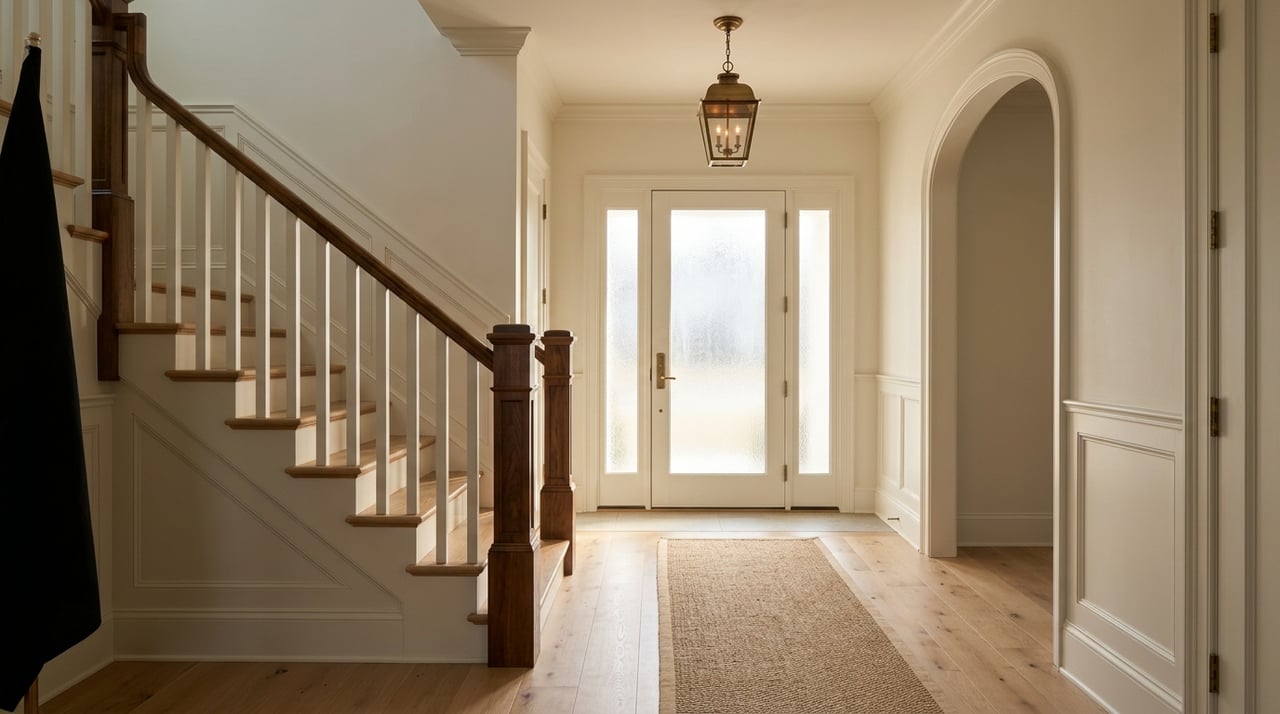
What if the most important parts of an Alpine luxury home are the things the listing photos barely show? In a market where presentation is polished and first impressions are strong, it is easy to focus on finishes and staging instead of the details that shape long-term value. If you are comparing high-end homes in Alpine, this guide will help you look past the images and evaluate layout, site conditions, documentation, and risk with more confidence. Let’s dive in.
Why Photos Are Only the Starting Point
Luxury listing photography is meant to highlight a home’s best features, but photos cannot fully show how a property lives day to day. They also do not tell you much about drainage, permit history, mechanical systems, or how well the layout supports privacy and entertaining.
That matters in Alpine, where the borough’s 2025 Housing Element and Fair Share Plan shows that more than half of households earned $200,000 or more annually. In a market like this, buyers often need to weigh site quality, usable layout, and documentation just as carefully as design details and finishes.
Evaluate Layout Before Decor
A beautiful room is not always a functional one. The New Jersey homebuyer guide recommends creating a feature list and rating homes against it so your decision is not driven by first impressions alone.
For an Alpine luxury home, that means asking whether the floor plan truly fits the way you live. A strong layout should support both everyday comfort and future resale appeal.
Check Entertaining Flow
Walk the home with movement in mind. Do the kitchen, dining, and living areas connect naturally, or does the plan feel broken up once you imagine a full house of guests?
Pay attention to transitions between indoor and outdoor spaces too. If the terrace, patio, or backyard feels disconnected from the main living areas, the home may not function as smoothly as the photos suggest.
Look for Bedroom Privacy
In larger homes, privacy is part of the value. Consider whether the bedroom layout creates real separation for guests, household members, or live-work routines.
A polished primary suite can still feel less useful if secondary bedrooms sit too close to entertaining spaces or if office areas lack quiet. These are details you feel on a tour, not details you can judge from a gallery.
Test Scale and Furnishability
Luxury homes can sometimes have oversized rooms that look dramatic in photos but feel awkward in person. Ask yourself whether each main space can be furnished at full scale without creating dead zones or leaving circulation paths unclear.
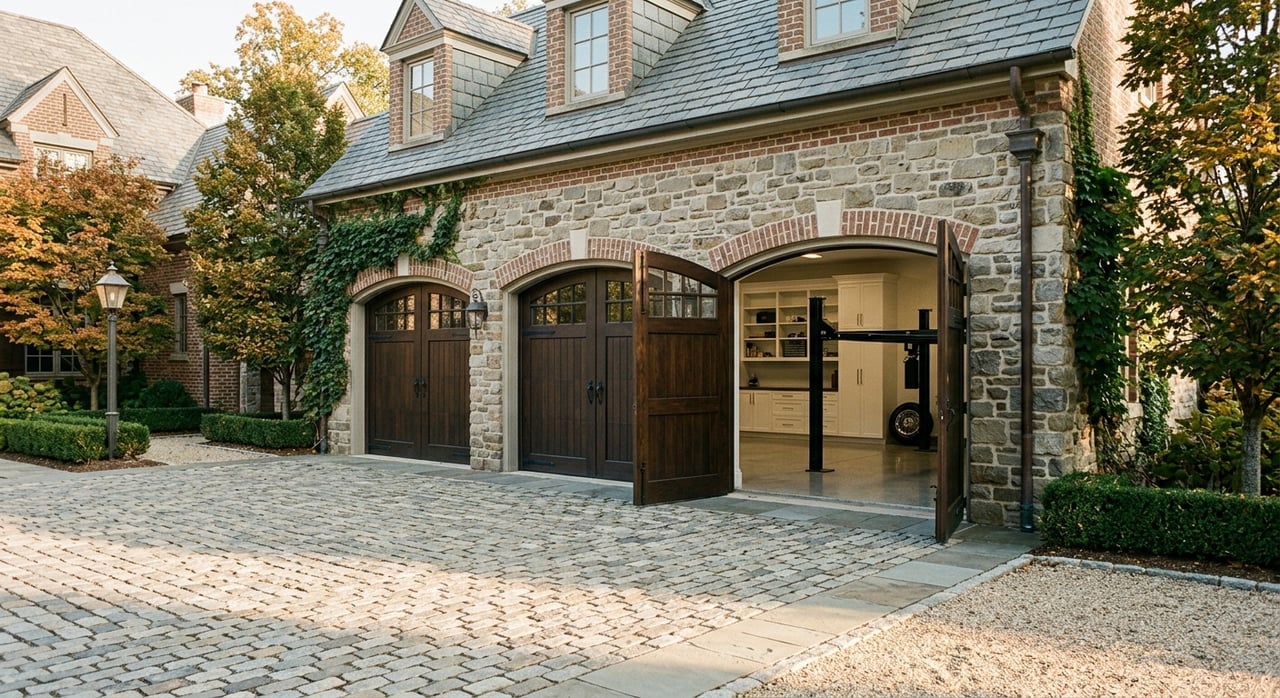
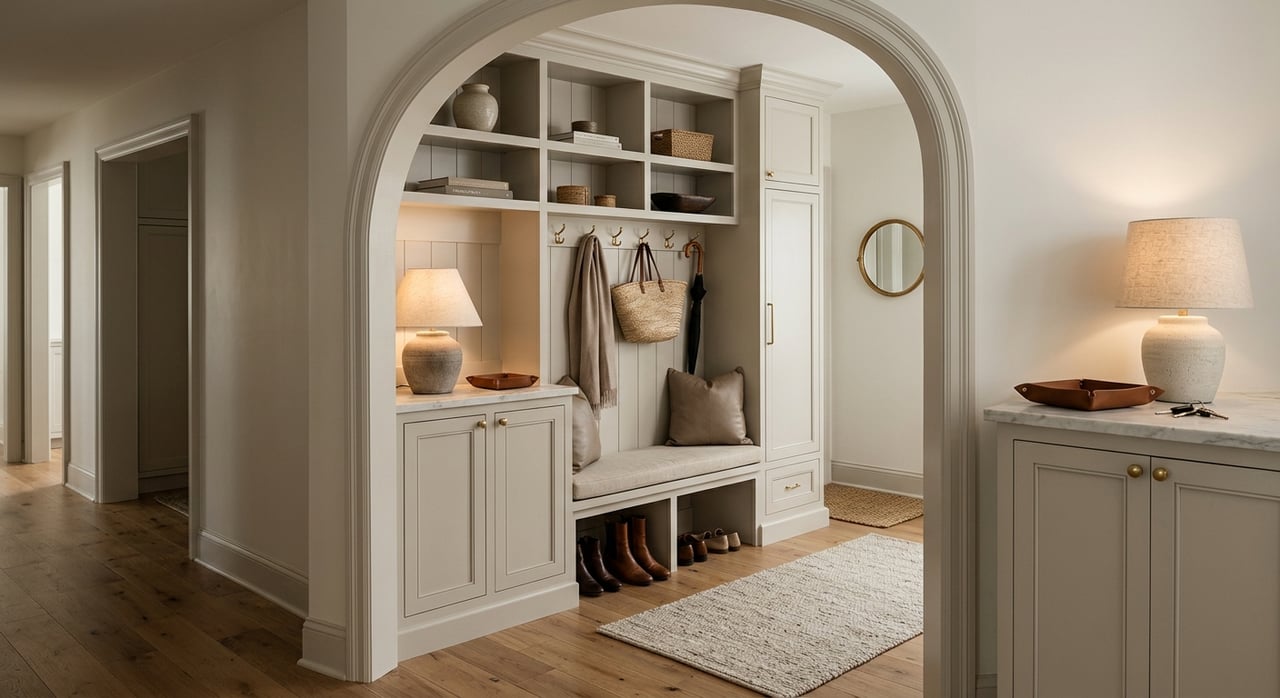
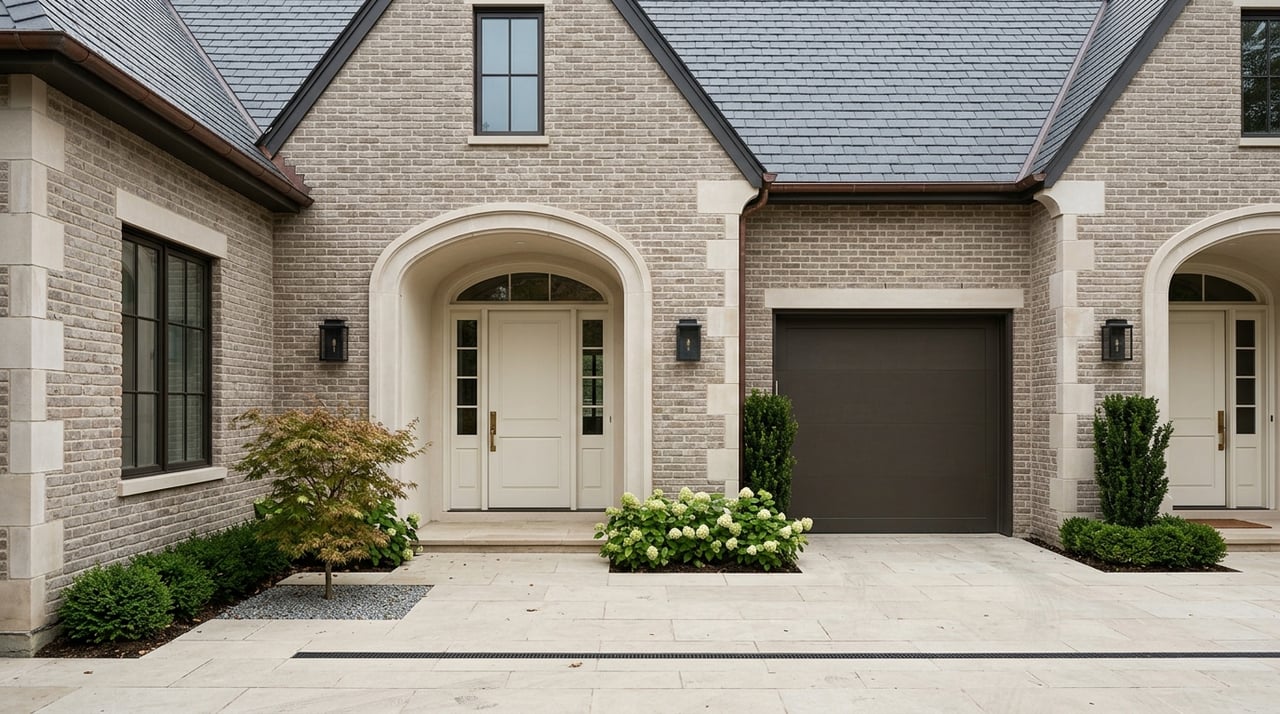
You should also notice the arrival sequence. Garage placement, parking ease, and the transition from entry to main living spaces all shape how effortless a home feels over time.
Inspect Construction and Systems Closely
Surface-level beauty should never replace physical due diligence. The state’s homebuyer guide advises buyers to look beyond appearance, examine construction details, and use a qualified inspector to evaluate the structure and mechanical systems.
In Alpine, where homes may be older, extensively renovated, or newly built, that advice is especially important. A home can photograph beautifully and still carry significant upcoming capital needs.
Focus on Core Value Drivers
As you tour, pay close attention to the condition and age of major systems and components, including:
- Roof
- Windows
- HVAC systems
- Plumbing
- Electrical systems
- Waterproofing
- Signs of moisture
- Evidence of prior repairs
These are not minor details. They often have a major effect on cost, comfort, and negotiating leverage.
Flag Age-Related Issues
The same New Jersey buyer guide recommends additional checks for lead paint in homes built before 1978, along with mold or moisture, radon, and asbestos. In a luxury property that has been updated over time, these issues may not be obvious during a casual showing.
If a home has a mix of old and new construction, ask more questions. Fresh finishes can mask older conditions behind walls, below grade, or above ceilings.
Be Present at the Inspection
If you move forward, plan to attend the inspection. The state buyer guide specifically recommends it, and it gives you a chance to hear concerns directly from the inspector rather than relying only on a written summary.
That conversation can help you separate cosmetic issues from true condition concerns. It can also help you prioritize which follow-up specialists, if any, should be brought in next.
Study the Lot and Drainage
In Alpine, the site itself deserves just as much scrutiny as the house. Sloped parcels, mature landscaping, retaining walls, and extensive hardscaping can all affect how water moves across the property.
According to Alpine’s stormwater guidance, clogged drainage devices such as swales and seepage pits can cause flooding and erosion onto neighboring properties. That makes grading and runoff management a serious part of luxury-home evaluation.
Watch for Water Clues
As you walk the exterior, look for signs that water may not be moving properly, such as:
- Low spots where water could collect
- Downspouts discharging too close to the home
- Retaining walls with visible wear
- Driveways or hardscape sloping toward structures
- Overly lush or soggy areas that may suggest drainage problems
These issues are easy to overlook when landscaping is pristine. They are still worth discussing with your inspector and, when needed, an engineer or surveyor.
Consider the Parcel as a System
A large estate lot may include drainage structures, engineered improvements, or septic-related components that are not obvious from listing materials. Alpine’s building resources note that seepage-pit and drainage inspections involve the borough engineer, while septic matters go through the health department.
That is one reason site questions should never stop at curb appeal. On a heavily improved property, the land itself can carry meaningful maintenance and compliance questions.
Verify Permits and Final Sign-Offs
One of the biggest mistakes luxury buyers make is assuming that visible quality means the paperwork is in order. It does not.
For new construction, the New Jersey Department of Community Affairs says builders must be registered, permits cannot be pulled without registration, local code officials conduct periodic inspections, and a Certificate of Occupancy is issued only after final inspections. For renovated resales, the same mindset applies: ask for the permit file and proof of final sign-off.
Use Local Records
Alpine makes municipal clerk, planning board, zoning board, and building department materials publicly available. Those records can help you investigate approvals, variances, permits, and land-use history that listing photos will never reveal.
If a home has additions, significant grading, major hardscape, or extensive renovations, reviewing local records can help confirm whether the work was properly documented. That step can be especially valuable before you get too far into the process.
Review Flood and Risk Disclosures
Flood questions are now a more formal part of New Jersey buyer due diligence. The Governor’s office announced that sellers and landlords must use updated flood-history disclosure forms beginning March 20, 2024.
Those disclosures ask whether a property is in FEMA’s Special Flood Hazard Area or Moderate Risk Flood Hazard Area, whether there has been flood damage or pooled water, and whether flood insurance is required, according to the state’s flood disclosure announcement.
Confirm Risk Independently
Do not rely on marketing language alone. The state also provides a Flood Risk Notification Tool reference through that announcement, and the related guidance notes that the absence of flood indicators does not mean a property is free from flood risk.
That is especially important if a property has extensive lower-level space, elaborate landscaping, or site features that may affect drainage patterns. A clean visual presentation is not the same as a clean risk profile.
Use Attorney Review Strategically
In New Jersey, timing matters once a contract is signed. The state homebuyer guide explains that a licensee-prepared contract includes an attorney-review clause that gives both parties three business days to consult counsel.
That short window is your chance to request and review the information that supports the listing story. If you have concerns about permits, surveys, title, drainage, or disclosures, this is the time to raise them clearly and quickly.
Ask for Key Documents Early
During attorney review, consider requesting:
- Permit history
- Final approvals or sign-offs
- Survey
- Seller disclosure forms
- Title evidence
- Explanations for visible site or layout concerns
The goal is simple: move from a visually appealing listing to a verified property profile.
Check Public Records and Title History
The state buyer guide also notes that municipal clerks maintain off-site conditions lists that buyers can review. That can be helpful when you want a fuller picture of conditions that may affect a property beyond the lot lines.
For recorded history, Bergen County’s public search system contains deeds and mortgages recorded from January 1, 1970 to the present. These tools can help you and your attorney verify title history, easements, liens, and whether the public record aligns with the home’s marketing narrative.
Build the Right Due Diligence Team
Even experienced buyers benefit from a disciplined process. Based on the state guidance, the strongest approach is to keep your inspector involved for physical condition, your attorney engaged for contract review, and, when additions or grading are part of the picture, a surveyor or engineer in the conversation.
That team-based approach helps you evaluate a luxury listing the way it should be evaluated: not just as a design product, but as a real property with legal, structural, and site-specific realities. In Alpine, that level of diligence can protect both your lifestyle and your long-term investment.
When you want a more strategic lens on Alpine luxury inventory, Taryn Byron brings construction-informed insight, local market perspective, and a design-aware approach to every conversation.
FAQs
How should you evaluate Alpine luxury listings beyond the photos?
- Focus on layout, site conditions, major systems, drainage, permit history, disclosures, and title-related records, not just finishes and staging.
What construction details matter most when touring an Alpine luxury home?
- Roof age, windows, HVAC, plumbing, electrical, waterproofing, moisture issues, and evidence of prior repairs are all important value drivers.
Why are drainage and grading important for Alpine properties?
- Alpine’s stormwater guidance warns that clogged drainage devices like swales and seepage pits can contribute to flooding and erosion, so site design deserves close review.
What documents should you request during New Jersey attorney review?
- Ask for permit history, final sign-offs, survey information, seller disclosures, title evidence, and explanations for any unusual site or layout issue.
How can you verify flood risk for an Alpine home?
- Review the seller’s flood disclosure information and use the state resources referenced in New Jersey’s flood disclosure guidance to check whether flood hazards or prior water issues may affect the property.