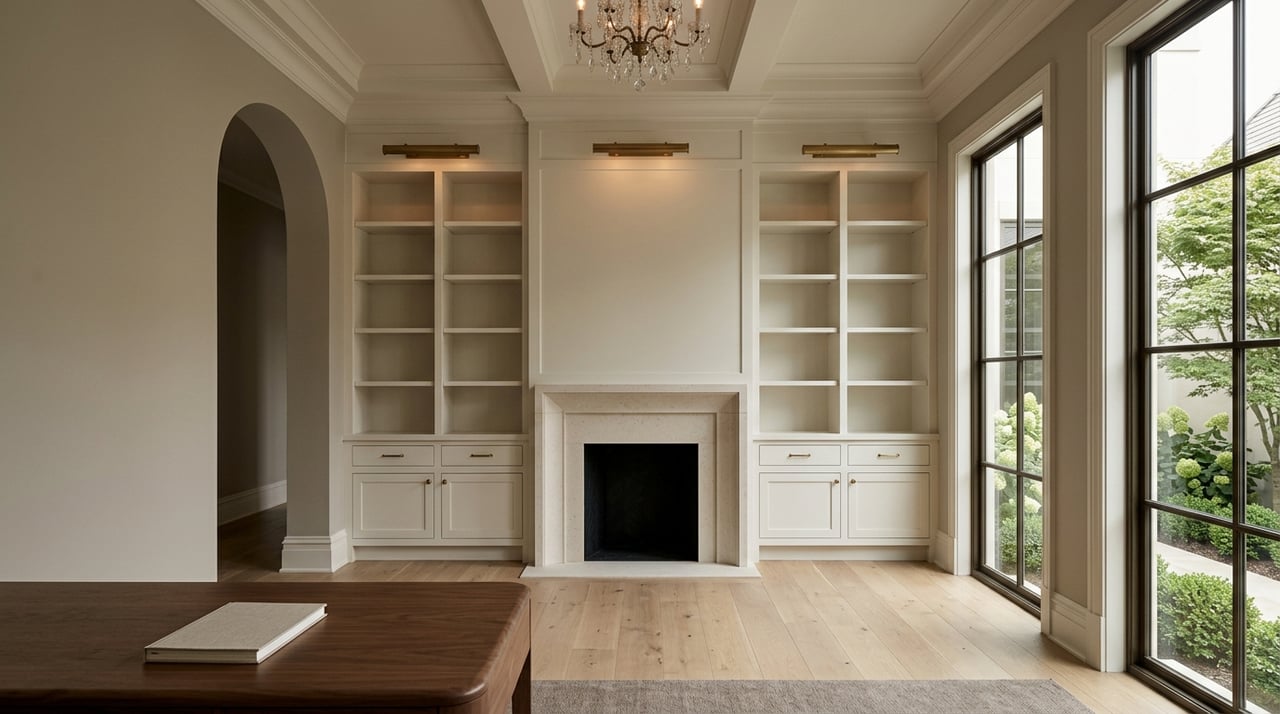
If you launch every home in a new Alpine development at once, you may create noise, but not always leverage. In a market this small, private, and high value, a phased release plan can help you protect pricing, manage buyer expectations, and keep sales aligned with approvals and construction realities. If you are planning a new development launch in Alpine, here is how to think about timing, inventory, and presentation in a way that fits the local market. Let’s dive in.
Why Alpine calls for a careful launch
Alpine is not a volume market. According to Census Reporter’s Alpine profile, the borough has just 1,588 residents and 522 households, with very high incomes, high home values, and a median age of 50.5.
That small scale matters when you bring a new development to market. Your buyer pool is narrower, expectations are higher, and every release decision can shape how the project is perceived. In a setting like this, a measured rollout often makes more sense than a broad public launch.
Current inventory also supports a disciplined strategy. Zillow reports an average Alpine home value of $3,046,850 as of March 31, 2026, with only 12 homes for sale, while PropertyShark’s 2025 ranking cited by Zillow placed Alpine 07620 at a $4.35 million median sale price. In a tight market, phased releases can help you respond to demand without overexposing the full inventory on day one.
What a phased release plan means
A phased release plan is a structured approach to bringing homes to market in stages instead of all at once. Rather than offering every available residence immediately, you release a limited number first, watch buyer response, and then adjust pricing, timing, and messaging before the next phase.
This approach is closely tied to absorption, which is a pace metric used in builder reporting. As described in SEC reporting on sales absorption, absorption reflects how quickly available inventory turns into sales relative to how much is being offered.
For Alpine, that matters for two reasons. First, low supply can support scarcity. Second, a phased plan gives you room to learn from real buyer behavior instead of locking the entire project into one pricing posture.
Start with approvals, not just marketing
In Alpine, launch planning should begin well before the first brochure, website, or preview event. The borough’s official pages show distinct local processes around the zoning map, planning board, zoning board, and building-related reviews, including zoning review, inspections, and permits for items such as driveways, fences, signs, tree removal, septic matters, and drainage.
That tells you something important. This is a process-heavy environment, and your release schedule should reflect that reality.
There is also a broader planning context to consider. The New Jersey Courts Bergen County affordable housing page shows Alpine’s 2025 Housing Element and Fair Share Plan and related implementing ordinances and resolutions posted in 2026. For developers, that reinforces the need for early municipal coordination and careful entitlement review before a public sales push begins.
Why this matters to your release calendar
If approvals, site readiness, and construction milestones are not in sync, your sales momentum can suffer. Buyers in the luxury space usually expect clear answers, polished presentation, and confidence in delivery.
A strong phased release plan should be built around:
- Municipal review milestones
- Construction readiness
- Model home or sales gallery timing
- Marketing asset production
- Team communication across sales, marketing, and project leadership
When those pieces move together, your launch feels intentional instead of reactive.
Size the first release with purpose
One of the most common development questions is simple: how many homes should you release first? In Alpine, the answer is usually not “all of them.”
Because the market is limited in size and high in value, the first release should be large enough to create momentum but small enough to preserve flexibility. With just 12 homes for sale currently reported by Zillow, a project that introduces too much inventory at once risks changing the conversation from exclusivity to surplus.
A smaller first release can help you:
- Test price resistance
- Measure lead quality and conversion pace
- Refine buyer messaging
- Create urgency without forcing incentives too early
- Adjust future releases based on actual demand
This does not mean holding back inventory without a strategy. It means treating each phase as a data point that informs the next one.
Open the model at the right moment
In Alpine, a model home or sales gallery should do more than show finishes. It should communicate lifestyle, design intention, and the level of care behind the project.
That matters because local demographics suggest a buyer who may value polish, privacy, and a high-touch experience. Alpine’s Census Reporter profile points to very high household income, high educational attainment, and a mature owner profile, all of which support a more curated presentation style.
Think of the model as a preview experience
According to NAHB’s New Homes Month guidance, buyers value clear communication, responsive follow-up, and the right mix of virtual and in-person touchpoints. They also respond to messaging that speaks to lifestyle and emotion, not just square footage.
That is why the best time to open a model is when you can fully support the experience. You want polished visuals, strong staff coordination, and a clear story about what makes the development distinctive.
A model or gallery is most effective when it includes:
- A consistent design story
- High-quality photography and video
- Virtual tour or remote preview options
- Clear information on timeline and availability
- A sales team prepared to answer both design and delivery questions
Keep pricing flexible between phases
Phased releases work best when pricing is reviewed regularly, not set once and forgotten. In a market as thin as Alpine, early buyer response can give you meaningful clues about what to do next.
If the first release moves quickly, you may have room to adjust pricing upward in the next phase. If buyers hesitate, it may be time to revisit mix, presentation, timing, or incentives before releasing more inventory.
This is where absorption becomes practical, not theoretical. By tracking how quickly each release converts, you can make more informed decisions about the next one rather than relying on assumptions.
Align sales, marketing, and construction
A phased release plan only works if your teams operate from the same playbook. NAHB advises that online sales counselors, on-site sales teams, and marketing teams should function as one experience with consistent messaging from first click to first visit.
That principle is especially important in luxury new development. If your digital campaign promises one thing, your on-site experience suggests another, and your delivery timeline says something else, confidence can fade fast.
Build one coordinated buyer journey
Your launch should feel seamless across every touchpoint. That includes:
- Ad and social messaging
- Project website and inquiry forms
- Follow-up communication
- Private previews and appointments
- Construction and delivery updates
- Pricing and release announcements
When the story stays consistent, buyers can focus on the opportunity instead of trying to reconcile mixed signals.
Match the launch to Alpine buyers
Not every market responds to the same rollout style. Alpine’s scale, pricing, and housing profile support a more discreet and design-led approach than a mass-market campaign.
That does not mean quiet marketing. It means intentional marketing. You want the launch to feel tailored, credible, and elevated, with messaging that reflects the property’s design, setting, and value proposition.
For some developments, that may mean private previews before a broader public release. For others, it may mean leading with a model-home experience, strong digital storytelling, and highly responsive follow-up.
The key is to present the project in a way that fits both the product and the local market. In Alpine, that often means quality over volume at every stage.
A smart phased plan protects value
Launching a new development in Alpine is not just about creating demand. It is about pacing that demand in a way that supports pricing, buyer confidence, and a polished market presence.
A strong phased release plan helps you control the narrative, respond to real-time feedback, and keep sales aligned with approvals and delivery. In a borough where supply is limited and expectations are high, that kind of discipline can be a real advantage.
If you are planning a new development launch in Alpine and want a strategy that connects market analytics, design-forward presentation, and coordinated sales execution, Taryn Byron can help you build a release plan that fits the market and the product.
FAQs
What is a phased release plan for a new development in Alpine?
- A phased release plan means bringing homes to market in stages so you can measure demand, manage pricing, and align sales with construction and approvals.
Why does a phased release strategy matter in the Alpine real estate market?
- Alpine is a small, high-value market with limited inventory, so releasing homes in phases can help preserve scarcity, test buyer response, and avoid overloading the market.
When should a model home open for an Alpine new development?
- A model home should open when the project can deliver a polished, fully coordinated experience with strong visuals, clear messaging, and reliable information about timing and availability.
How often should pricing be reviewed during an Alpine phased release?
- Pricing should be reassessed between phases based on absorption, lead quality, buyer feedback, and current market conditions rather than staying fixed from the initial launch.
How do approvals affect a new development launch in Alpine?
- Local zoning, planning, and building processes can shape launch timing, so municipal coordination and entitlement review should be part of the release strategy from the start.