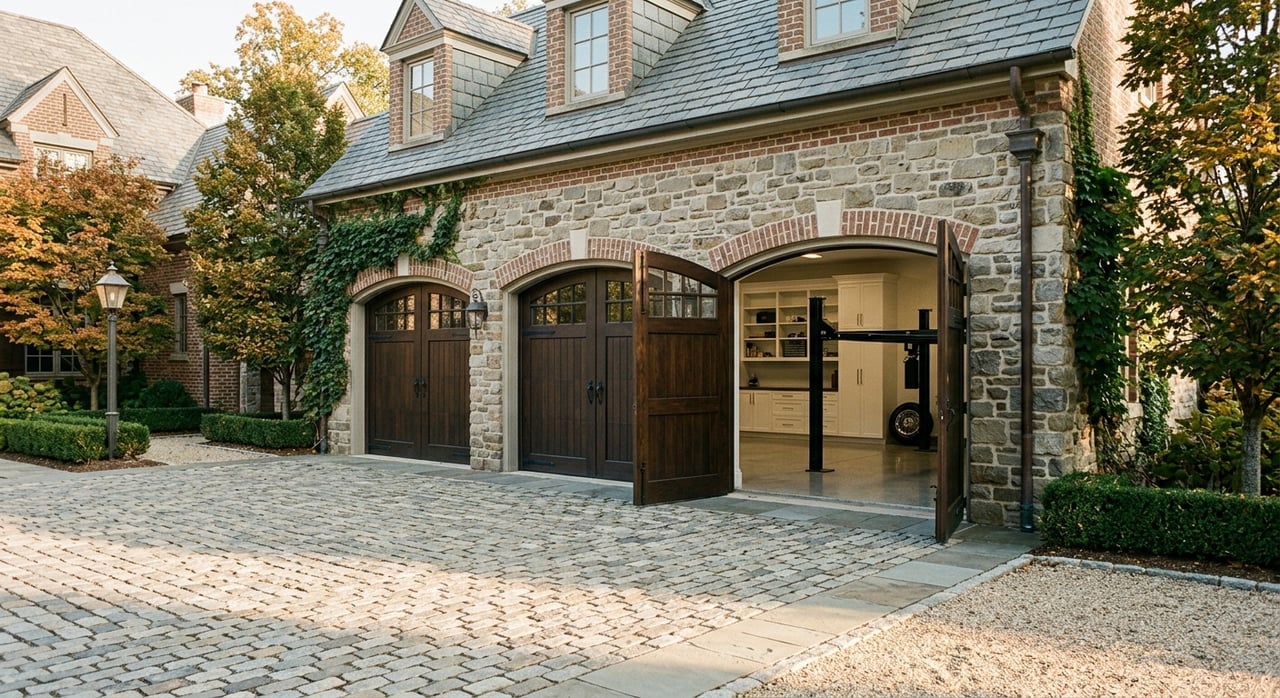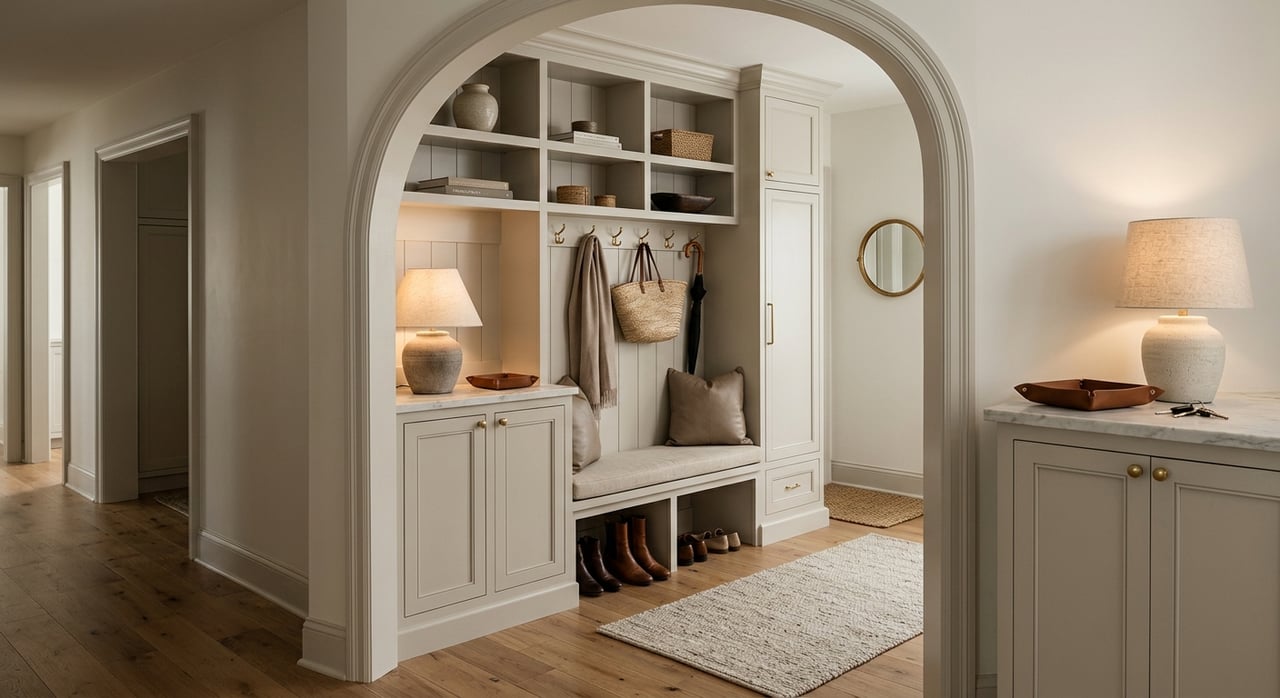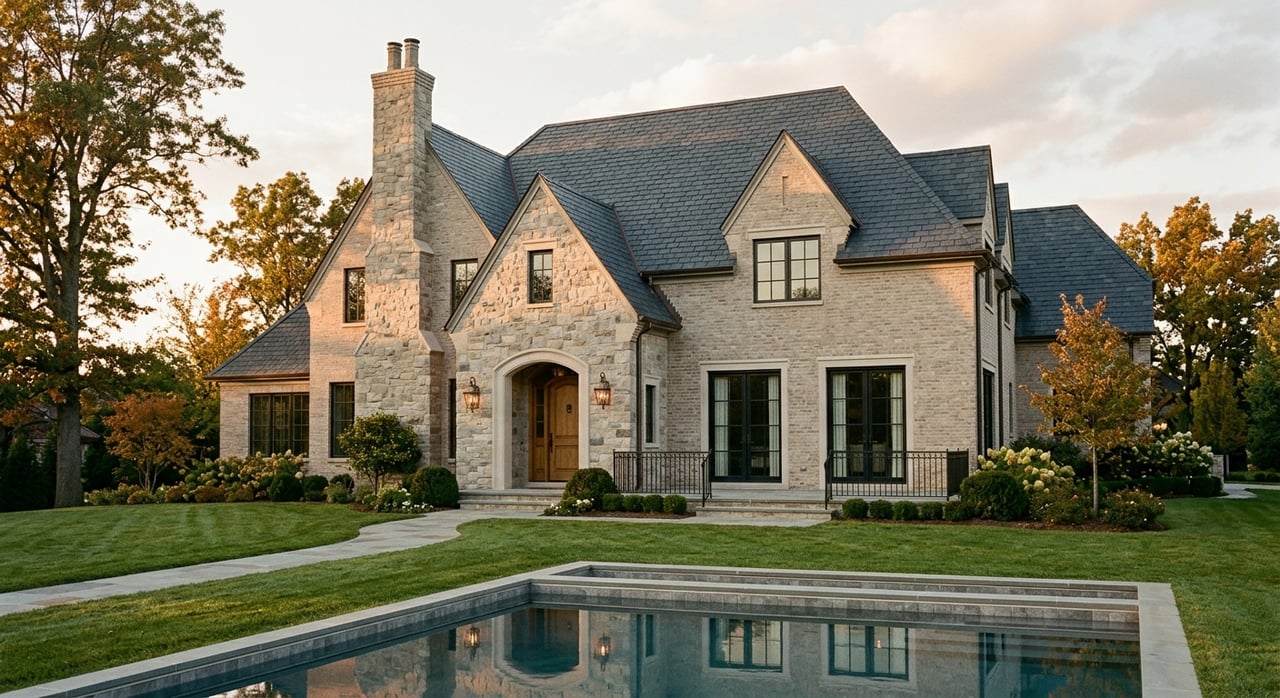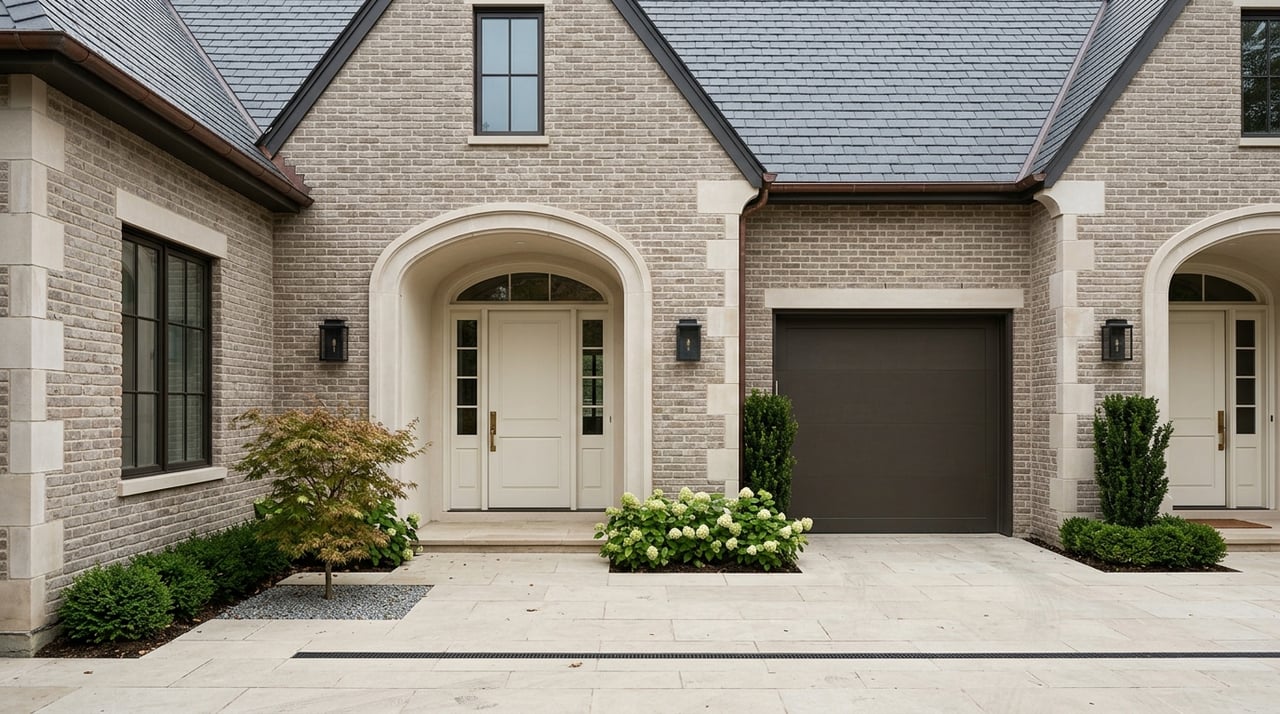
You do not sell a luxury home in Alpine the same way you sell anywhere else. Here, privacy, scarcity, and presentation drive decisions as much as price. If you are building or buying in this market, a single-point sales strategy can simplify the process and elevate results. This guide shows you how exclusive sales models work in Alpine, what to watch in New Jersey transactions, and how to protect your goals whether you are a developer, buyer, or agent. Let’s dive in.
Alpine market context
Alpine is a small, affluent Bergen County borough near the Palisades and the Hudson River. Most homes sit on large lots with custom, estate-level designs. Inventory is limited, so new builds tend to target high-end and ultra-luxury buyers.
Demand often comes from New York City and nearby suburbs. Buyers value privacy, acreage, proximity to Manhattan, and the prestige of an Alpine address. Zoning timelines, site constraints, and approvals can be material, so planning and messaging matter.
In this environment, developers often favor curated exposure. Exclusive broker relationships, invitation-only previews, targeted outreach to high-net-worth networks, and selective digital campaigns can outperform mass marketing when done well.
Single-point sales defined
A single-point strategy means one exclusive sales agent or in-house sales team handles all marketing, showings, qualification, negotiation, and closings. Expect centralized pricing, consistent floor plans and upgrades, and a single point of contact for buyers and brokers.
The exclusive office may require buyer registration and can limit cooperating-broker participation or offer conditional compensation. Appointment-only showings and controlled release of inventory are common, especially for ultra-luxury product.
When executed correctly in Alpine, single-point sales protect privacy, control brand presentation, and keep pace and pricing consistent. The trade-off is reach, so cooperation policies and selective broker engagement become strategic.
Pros and cons by stakeholder
Developer advantages
- Brand control with unified pricing, options, and presentation.
- Cost efficiencies by focusing on high-probability buyers.
- Faster decisions and tighter feedback loops with construction teams.
- Privacy and selective exposure for discerning clients.
Developer risks
- Reduced reach if cooperating brokers are discouraged or under-compensated.
- Slower absorption if exclusive channels miss parts of the buyer pool.
- Strained broker relations if policies feel unfair.
- Potential MLS or policy issues if compensation rules are not followed.
Buyer advantages
- High-touch service with clear documentation on specs, warranties, and timelines.
- Streamlined process for upgrades and special requests.
Buyer risks
- Limited ability to negotiate through your own agent if compensation is restricted.
- Less market comparison if competing listings are not visible.
- New construction contracts often include short inspection windows and strict closing timelines.
Buyer agents and co-brokers
- Works well when registration and compensation are clear and fair.
- Can be challenging if compensation is reduced or co-broker participation is denied.
Legal and MLS mechanics in New Jersey
Agency, disclosure, and licensing rules apply to all parties. Confirm agency relationships in writing per New Jersey requirements. If a listing is on a regional MLS such as Bright MLS, compensation and cooperation terms should be stated per current policy. Always verify the latest rules with the New Jersey Real Estate Commission and the MLS before assuming practices.
New-construction contracts often detail deposits, inspection limits, upgrade processes, and timelines tied to construction milestones. You should see clear handling of escrow, defined remedies for delays, and explicit conditions for certificate of occupancy.
Inspections and warranties are central. Builders may offer limited warranties, including workmanship and structural coverage that varies by project. Ask for warranty documents up front and plan for professional inspections and a punchlist before closing.
Because multiple trades work on-site, protect against mechanic’s liens by requiring lien waivers at each progress payment. Confirm with your title team that lien waiver procedures match New Jersey law and are tied to funding.
Understand the difference between temporary or conditional occupancy and final certificates. Your financing, insurance, and closing schedule can depend on which certificate you have, and lenders may require specific conditions.
Most Alpine luxury purchases involve jumbo financing or cash. Unique builds can complicate appraisals, so work with lenders experienced in construction and high-end properties. If construction-to-permanent financing is used, confirm draw schedules and lender inspections.
Expect property tax reassessment after completion. If a homeowners association will govern the property, request the association’s governing documents, budgets, and reserves.
Finally, Alpine’s zoning, site topography, and environmental rules can shape approvals and timelines. Verify recorded site plans, any variances, and municipal permits with the Borough of Alpine or Bergen County before you commit to dates.
Developer playbook for Alpine
- Clarify the strategy: control and privacy versus reach. Decide your stance on cooperating-broker participation and set policies in writing.
- Create a broker-friendly registration and compensation policy. Consider reasonable co-broker fees or selective bonuses to maintain goodwill and referrals.
- Build a complete buyer packet: floor plans, finishes matrix, upgrade pricing, construction schedule, certificate of occupancy timing, warranty terms, and any HOA documents.
- Use invitation-only previews and curated outreach to high-net-worth networks in Alpine and the New York metro.
- Coordinate with title and escrow partners who handle lien waivers and progress payments for construction.
- Keep sales and construction aligned so custom requests and quality control stay tight.
Buyer checklist for single-point sales
- Confirm in writing whether your buyer’s agent is recognized and how registration works. If you want representation, sign a buyer-broker agreement.
- Get preapproved for the right loan type, including jumbo or construction-to-perm if needed.
- Request full documentation: plans, specs, upgrade price list, punchlist process, project schedule, and all warranties.
- Secure contract protections: deposit escrow terms, defined remedies for delays, and proof of lien waivers when progress payments are made.
- Hire an independent inspector with luxury new-construction experience.
- Review tax projections and any HOA obligations, and confirm occupancy conditions before closing.
Agent checklist for co-broker success
- Verify MLS status and cooperation terms. If the project is off MLS, obtain written co-broker terms before showing.
- Request the standard buyer contract and the full developer package early so counsel can review.
- Prepare clients for likely terms: limited inspections, firm upgrade rules, and milestone-based closings.
- Negotiate buyer protections where possible, including escrow clarity, reasonable inspection periods, defined warranty remedies, and fair delay remedies.
Pricing and pace: control versus reach
Single-point sales help stabilize pricing and protect brand value, which can be vital in a small, high-stakes market like Alpine. The risk is slower absorption if your exclusive channel misses qualified buyers brought by outside brokers. You can address this by offering clear cooperating-broker policies, targeted outreach to high-probability buyers, and staged releases that feed real demand.
Track a few indicators closely: lead quality, time from inquiry to contract, upgrade conversions, and contract-to-close timing. Adjust your broker events, digital targeting, and cooperation terms as you learn what moves the needle.
How a single-point partner executes in Alpine
In Alpine, the right partner brings a combination of design-forward marketing, data-led strategy, and hands-on sales leadership. That means an on-site or appointment-only presence, high-end photography and video, curated broker previews, and private client outreach that reaches New York area high-net-worth buyers.
It also means single-point accountability. One leader should integrate creative production, digital distribution, buyer qualification, negotiation, and feedback loops with your construction team. This keeps messaging tight, protects privacy, and accelerates decision-making.
If you are evaluating partners, prioritize teams experienced in new development, with a plan for cooperating-broker policies that preserve relationships while maintaining control over brand and pace.
Ready to explore a single-point approach for your Alpine project or purchase? Schedule a market strategy call with Taryn Byron to map a plan that fits your goals.
FAQs
What is single-point sales for Alpine new builds?
- It is an exclusive model where one sales agent or in-house team controls marketing, showings, negotiations, and closings, keeping pricing and presentation consistent.
Can I bring my own buyer’s agent to a single-point office?
- Often yes, but you should confirm in writing how registration works and whether the developer offers cooperating-broker compensation before you tour.
What contract terms should Alpine buyers expect?
- Expect defined deposit schedules, limited inspection windows, upgrade rules, remedies for delays, and clear certificate of occupancy conditions before closing.
How do developers handle broker compensation in exclusives?
- Policies vary. Some exclude co-brokers, others offer conditional or reduced fees. A clear, written registration and compensation policy keeps brokers engaged.
How does a certificate of occupancy affect closing?
- Lenders and insurers may require specific occupancy conditions. Know whether you have temporary or final occupancy and how that impacts funding and timelines.
What financing fits Alpine’s luxury price points?
- Many buyers use jumbo loans or cash. For builds still in progress, construction-to-permanent loans may be used with defined draws and lender inspections.