Is your Alpine home’s value as exceptional as its design and setting? In a market defined by one-of-a-kind estates, getting the appraisal right is just as important as stunning photography or a winning offer. Whether you are selling or buying, understanding how luxury appraisals work helps you set expectations, avoid surprises, and negotiate with confidence. This guide walks you through what appraisers look for in Alpine, why timelines and fees run higher, how to prepare the right documentation, and what to do if the value comes in lower than expected. Let’s dive in.
Why Alpine appraisals are different
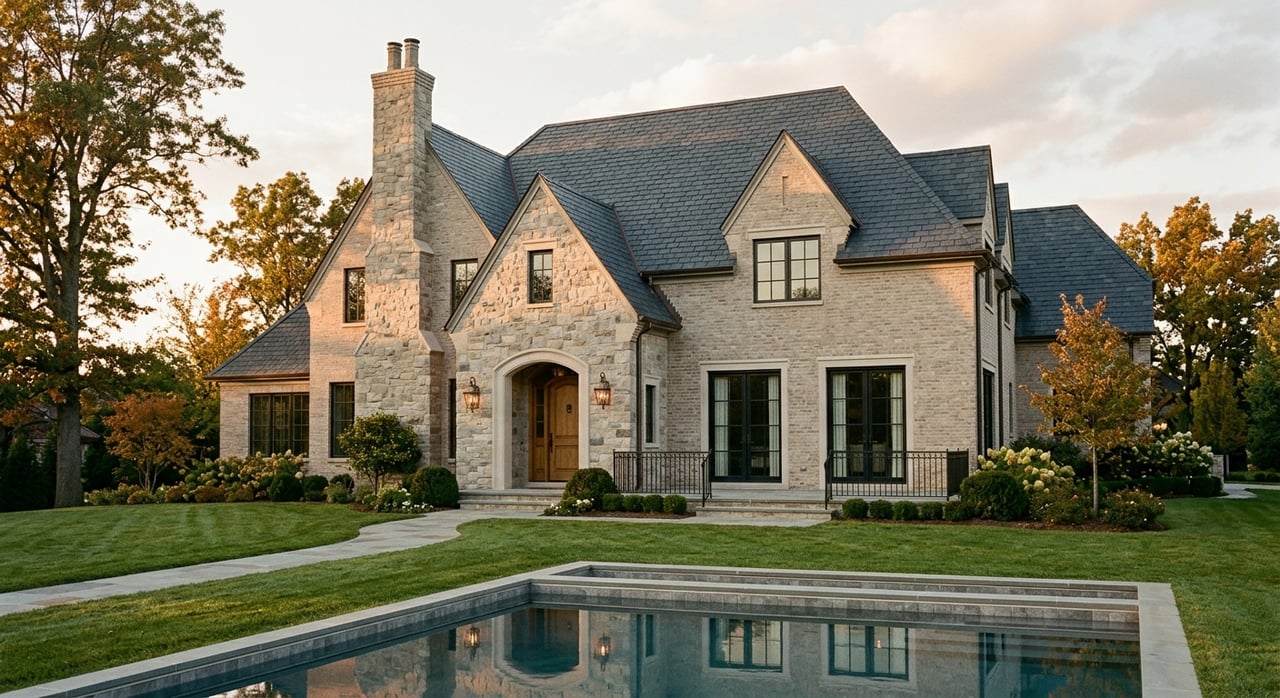
Alpine sits in a rare tier of Bergen County real estate. Properties are often custom-built with extensive acreage, privacy features, and architect-driven details. Because homes are unique and the number of recent comparable sales is limited, appraisers must rely on deeper research, larger adjustments, and broader comparable searches.
You should expect more lender scrutiny on high-value loans. Appraisers often prepare longer reports and provide additional support to satisfy underwriting. As a result, scheduling and completion typically take longer, and fees are higher than a standard suburban appraisal.
The three valuation approaches
Sales Comparison Approach in Alpine
The Sales Comparison Approach is usually primary for luxury homes. In Alpine, a small pool of true comparables means the appraiser may expand the time window or include nearby high-end markets when justified. You will often see larger adjustments for acreage, privacy, skyline views, security, architectural pedigree, and ancillary structures like guest houses or pool houses. Solid market evidence, including paired sales and verified details, is critical to support these adjustments.
Cost Approach for custom estates
The Cost Approach helps when a home is newer, highly customized, or has few comparable matches. The appraiser estimates land value, adds current replacement cost for the improvements, and deducts depreciation. Detailed construction documents, invoices, and specifications are especially valuable here, since high-end systems and finishes can significantly influence replacement cost.
Income Approach when income applies
The Income Approach is less common for owner-occupied estates. It may come into play if the property includes rental components, such as a separate guest unit with documented rental history. If there is no credible income stream, this approach is often secondary to comparable sales evidence.
What drives value in Alpine
Site and location
Alpine’s estate parcels vary widely. Appraisers closely evaluate lot size, topography, buildable area, and orientation. Unobstructed views toward New York City can command premiums, but those premiums must be supported by market sales. Privacy, gated entries, and secure access influence value when buyers consistently pay for these features.
Commute access also matters. Proximity to major highways and regional commuting options is part of the location story, alongside site-specific attributes such as road noise, elevation, and overall setting.
Construction quality and design
Architectural pedigree and recognized builders can add value if the market shows buyers will pay for those credentials. High-end systems and finish packages, such as advanced home automation, bespoke millwork, elevator systems, and specialized HVAC, require documentation. Appraisers look for specifications, warranties, and invoices to verify claims and support adjustments.
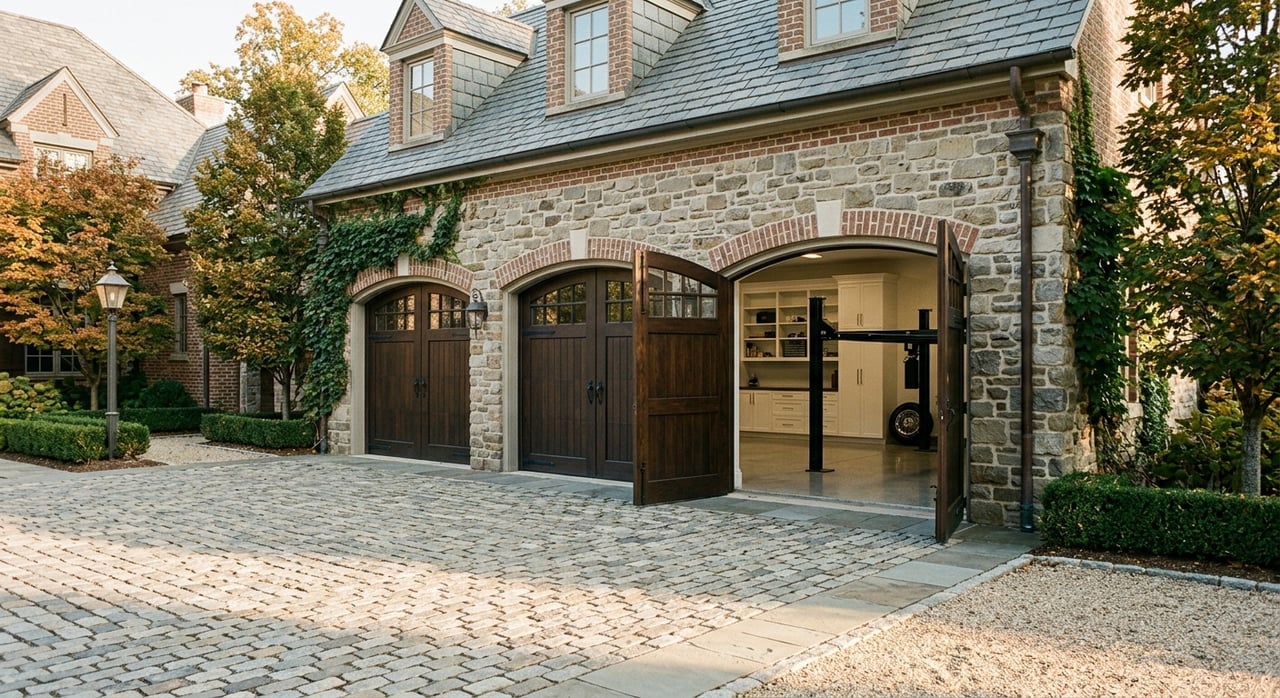
Ancillary structures often influence value. Guest cottages, staff quarters, detached garages, equestrian facilities, tennis courts, resort-grade pools, and mature landscaping should be fully documented and photographed to help the appraiser measure their impact.
Legal and regulatory factors
Permits and code compliance are not optional. Unpermitted work can reduce marketability or trigger lender-required repairs, which can delay or lower the appraised value. Site constraints such as easements, wetlands, or conservation restrictions are analyzed for their effect on usability. For very large parcels, subdivision potential may be considered under highest and best use.
Market liquidity and comparables
Because Alpine has relatively few sales at the very top of the market, appraisers may widen the comparable search. That can include other high-end Bergen County communities or a longer sales window when necessary, as long as the selections are justified. They also evaluate how each sale was marketed, whether concessions were involved, and how quickly similar properties have historically sold.
Who does the appraisal
Licensing and competency
High-value and complex assignments typically call for a Certified General appraiser or a professional with demonstrated experience in luxury and estate properties. Beyond licensure, competency in Bergen County’s top-tier submarkets is key. Experience with custom construction and complex sites helps the appraiser make credible, supportable adjustments.
Choosing or requesting an appraiser
If you are selling and want a pre-listing opinion, look for an appraiser with a strong luxury portfolio and local references. For financed purchases, the lender usually assigns the appraiser through an appraisal management company. You can still request that the lender engage someone with luxury experience in the area, although the final selection is at the lender’s discretion.
Pre-listing vs lender appraisal
A pre-listing appraisal can help you set a credible asking price, validate your marketing story, and surface documentation gaps before you go live. A lender appraisal is an independent check ordered by the buyer’s lender to confirm collateral value for underwriting. Each serves a purpose. Using both can reduce surprises and speed up negotiation.
Your preparation checklist
- Current floor plans with professional measurements, plus any architectural drawings.
- Recent property survey or ALTA survey, including boundaries, easements, and setbacks.
- Permits, final approvals, and certificates of occupancy for all additions and renovations.
- Detailed construction specifications, contractor invoices, and warranties for major systems.
- A product list for finishes and systems, including windows, roofing, HVAC, automation, and security.
- High-quality interior and exterior photos that capture key features, orientation, and views.
- Title exceptions and any HOA or covenants, if applicable.
- Historical sales information for the property and any relevant, well-matched sales you or your agent have identified.
- Rental agreements and income records if any portion of the property has a rental history.
Organizing this package before the appraiser’s site visit improves accuracy and can shorten follow-up requests.
Timeline, cost, and what to expect
Scheduling can take longer in Alpine because experienced luxury appraisers are in demand. On-site inspections run deeper than a standard visit, especially when estates include multiple structures, extensive grounds, or complex systems. Expect more back-and-forth on documentation during the research and verification phase.
Completed reports are often longer and may include additional exhibits. Lender reviews can add days or weeks, particularly for high-balance loans. Fees are higher than typical appraisals due to the level of analysis required. Plan your listing or closing timeline with these realities in mind.
If the appraisal comes in low
A lower-than-expected value is not the end of the deal. You have options:
- Submit a reconsideration of value with stronger comparables and additional documentation. Focus on verifiable upgrades, architectural pedigree supported by market evidence, and objective features like acreage and views.
- Ask the lender about an appraisal review or a second appraisal if policy allows.
- Renegotiate the contract through a price adjustment or seller concessions.
- Increase the down payment to bridge the gap if you are the buyer and your lender permits.
The best defense is a proactive file. A well-prepared pre-listing appraisal and a thorough documentation package reduce the chances of disputes.
How your agent adds value in Alpine
Seasoned Alpine representation means more than marketing. Your agent can help you identify true comparable sales, assemble a compelling property file, and coordinate with the lender and appraiser throughout the process. For highly customized homes, construction fluency and a clear understanding of luxury buyer preferences help frame what matters most to value.
By combining market analytics with design-forward presentation, your agent can align the property story with the facts appraisers need. That balance increases confidence for buyers, sellers, and lenders and helps keep deals on track.
Ready to position your Alpine home for a smooth appraisal and a stronger negotiation? Schedule a strategy conversation with Taryn Byron to align pricing, documentation, and market storytelling.
FAQs
What makes Alpine luxury appraisals take longer?
- Unique estates require deeper research, broader comparable searches, and longer reports, and lenders often apply extra review for high-value loans.
Should I get a pre-listing appraisal for an Alpine estate?
- Yes, a pre-listing appraisal can establish a defensible price, spotlight documentation gaps, and reduce surprises during the buyer’s lender appraisal.
How do appraisers handle New York City skyline views?
- They look for market evidence that buyers paid a premium for similar views and support adjustments with paired sales or comparable sales data.
Can an architect’s name increase my appraised value?
- Possibly, but only if the market shows buyers pay for that pedigree; appraisers need sales evidence and will not rely on unsupported claims.
What happens if my home has unpermitted work?
- Unpermitted improvements can reduce appraised value or trigger lender conditions, so resolving permits before the appraisal is the best approach.
Which nearby towns might be used as comparables?
- Appraisers may reference other high-end Bergen County markets when necessary to find meaningful comps, provided the selections are well supported.
How is the Cost Approach applied to new custom homes?
- The appraiser estimates land value, adds current replacement cost for improvements, then deducts depreciation, supported by documentation and invoices.
What can I do if the lender appraisal is below contract price?
- Submit a reconsideration with stronger evidence, request a review or second appraisal if allowed, or renegotiate terms to bridge the gap.
Does rental income from a guest suite affect value?
- If the income is credible and documented, the appraiser may consider an income approach in addition to comparable sales and cost evidence.