Thinking about swapping your NYC apartment for more space and fresh air without losing touch with Manhattan? If Alpine, New Jersey is on your radar, you’re not alone. You want a commute you can count on, a quieter daily rhythm, and a clear picture of costs and logistics before you make a move. This guide breaks down commute options and time ranges, lifestyle changes, schools, taxes and budgeting, plus practical steps to relocate smoothly. Let’s dive in.
Where Alpine fits
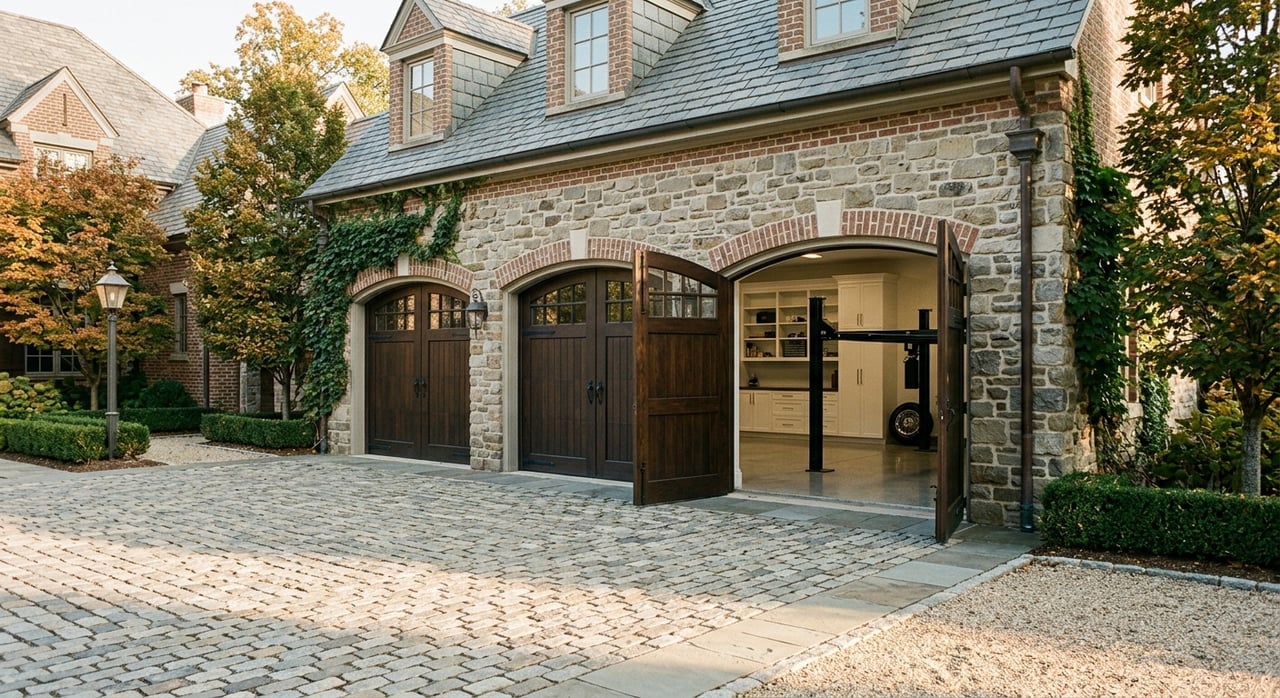
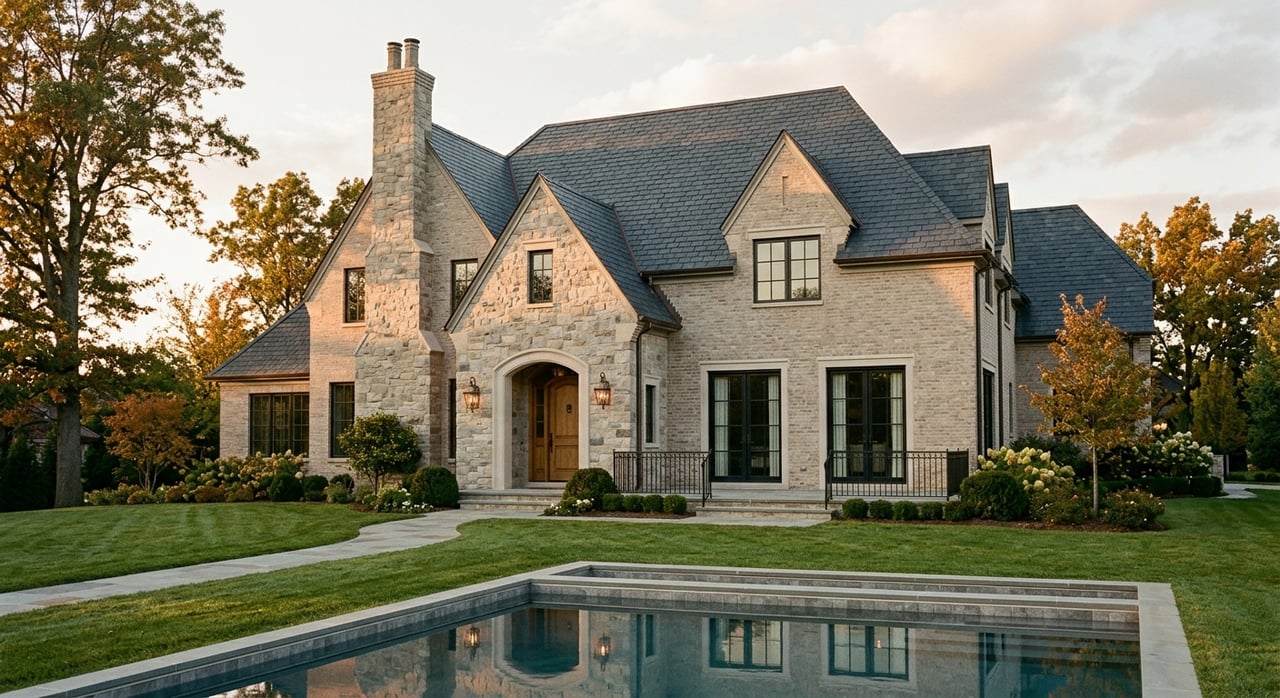
Alpine sits on the west bank of the Hudson River in northeastern Bergen County along the Palisades, within the broader New York–Newark–Jersey City metro. It is a small, low-density borough known for large lots, wooded properties, and a quiet, residential feel. You will drive for most errands, with major shopping, dining, and services available in nearby towns like Fort Lee, Tenafly, Englewood, and Edgewater. The George Washington Bridge corridor is the primary route into Manhattan, keeping the city accessible while you enjoy a more private setting.
Your commute options
Alpine does not have a major bus hub or a rail station inside the borough. Most residents choose from a mix of driving, express buses from nearby towns, or ferries on the Hudson. Your best option depends on where you work, your schedule, and how much you value flexibility over predictability.
Driving via the GWB
If you drive, you will use the George Washington Bridge to reach Manhattan. Typical door-to-door times can range from roughly 30 to 90 minutes depending on time of day, route, traffic, and your exact destination. Expect more variability during weekday peaks and better flow off-peak or for reverse commutes. Factor in tolls, parking, and the mental tradeoff between convenience and congestion.
Express buses from nearby towns
NJ Transit and other providers run express service to Midtown Manhattan from neighboring communities such as Fort Lee, Englewood, Tenafly, and Edgewater. You will usually drive a short distance to a stop, park-and-ride, or small terminal. Plan on roughly 30 to 60 minutes to reach Midtown once you board, plus your local drive and any last-mile walking or subway connections in the city.
Ferries on the Hudson
If you prefer to avoid highway traffic, ferries from Edgewater or Weehawken to Manhattan’s West Side can be a good alternative. You will drive to the terminal, park, and ride across the river, then walk or use free shuttles where available. Ferries are schedule-based and can be more predictable at peak times, especially if your office is on the West Side or Midtown.
Rail and PATH connections
There is no direct rail in Alpine. Many commuters drive to an NJ Transit station elsewhere in Bergen County or to a park-and-ride that connects to Manhattan-bound rail or to PATH via Hoboken or Secaucus. This can work well if you prefer a seated ride and a consistent timetable, but you will need to plan transfers.
What to expect door-to-door
- Driving: often 30 to 90 minutes depending on destination and traffic.
- Bus or ferry: around 30 to 60 minutes in-vehicle or on-boat time for Midtown, plus your drive to the boarding point and last-mile travel.
- Off-peak: typically faster with less variability.
Build in buffer time for weather, special events, and incidents. Before you buy, do a test commute during your normal travel window to confirm real-world timing from the specific property.
Cost of commuting
Commuting has both time and money costs. Plan for these line items and compare scenarios.
- Tolls: Bridge and tunnel tolls apply on regional crossings. Check current tolls and cashless policies before you set a monthly budget.
- Parking: Daily or monthly Manhattan parking can be significant. Many Alpine commuters use buses or ferries to avoid parking entirely.
- Fares: Bus and ferry fares vary by provider. Monthly passes or employer-sponsored transit benefits can reduce per-trip cost.
- Fuel and maintenance: If you drive regularly, include fuel, wear-and-tear, and potential higher insurance for frequent city driving.
Run a quick comparison across modes so you see your true monthly cost and not just the fare or toll number in isolation.
Everyday lifestyle in Alpine
Alpine is a change of pace from city living. You gain space, privacy, and access to nature. Daily life tends to be car-based with less 24-hour convenience inside the borough.
- Quiet residential streets and larger properties create a private, park-like feel.
- You will drive to grocery stores, restaurants, and most services in nearby towns.
- Outdoor access is a standout, with the Palisades Interstate Park providing trails, scenic overlooks, picnic areas, and Hudson River views.
- Cultural and shopping destinations across Bergen County and northern New Jersey are a short drive away, and Manhattan is still in reach for shows, dining, and events.
Schools and childcare
Alpine operates a small local elementary program and uses sending and receiving relationships for secondary grades. Because arrangements can change, contact the Alpine Board of Education and the relevant receiving district for enrollment procedures, documentation, and calendars. The broader Bergen County area offers a range of public and private school options. Always verify assignments, transportation, and any program-specific requirements directly with the district or school.
Housing and property taxes
Alpine is an upscale market with predominantly single-family homes on larger lots. Home values are higher than state and national averages, and property size and amenities often drive pricing.
- Property taxes: New Jersey is known for comparatively high property tax bills. Bergen County averages are among the higher levels in the state. Request the current tax bill for any home you are considering and consult the county assessor for parcel specifics.
- Ownership costs: Larger homes can mean higher utilities, landscaping, and maintenance. If a property uses private systems such as septic, confirm service history and replacement timelines.
- Insurance and utilities: Compare homeowners and auto insurance quotes and confirm power, water, sewage, and broadband availability by address.
For a complete picture, include mortgage, property taxes, insurance, utilities, and commuting costs when you model your monthly spend.
How Alpine compares to NYC day-to-day
- Space and privacy vs. walkability: You gain square footage and a yard but give up immediate access to shops and services.
- Noise and pace: Street noise and crowding are typically lower, with a more relaxed tempo.
- Nightlife and culture: Dining and entertainment are concentrated in nearby towns, with Manhattan still accessible for major events.
- Car dependence: You will likely rely on one or more cars for daily life.
- Outdoor access: Trails, river views, and parks become part of your weekly routine.
A smart move-in plan
Use this checklist to streamline your transition from NYC to Alpine.
- Commute test: Drive, bus, or ferry your likely route during your normal time window and note door-to-door timing.
- Tax and legal: Speak with a tax professional and a real estate attorney about residency, state income tax differences, closing costs, and any property tax appeal options.
- School enrollment: Contact the Alpine Board of Education and the receiving district for registration steps and required documents.
- Vehicles and licensing: Review New Jersey Motor Vehicle Commission rules for transferring your license and registering vehicles.
- Permits and moving logistics: Confirm any parking or moving-truck permits with the Borough of Alpine and plan for access on narrow or private roads.
- Utilities and broadband: Verify providers by address, schedule installations, and confirm any septic or private-system maintenance.
- Movers: Hire a moving company experienced with suburban and estate properties and request certificates of insurance and written estimates.
Budgeting your new monthly
Before you commit, compare your NYC baseline to an Alpine scenario. Include:
- Mortgage or rent and projected property taxes
- Homeowners and auto insurance
- Utilities, landscaping, and routine maintenance
- Commuting costs across your preferred mode
- Childcare and school-related expenses
A straightforward net comparison helps you see the full picture and avoid surprises.
Make your move with confidence
If you want more space and a quieter setting without giving up access to Manhattan, Alpine offers a compelling balance. Your commute will depend on your destination and schedule, but you have multiple routes and modes to choose from. With clear eyes on costs, schools, and logistics, you can make a confident decision and settle in smoothly.
Ready to map your move or explore on-the-market options in Alpine and neighboring towns? Schedule a market strategy call with Taryn Byron for data-led guidance and a seamless, high-touch experience.
FAQs
Commute time from Alpine to Midtown Manhattan
- Typical door-to-door times commonly range from about 30 minutes off-peak to 90 minutes or more in heavy traffic, depending on route and timing.
Public transit options from Alpine to NYC
- Alpine has limited fixed transit in-town; most commuters drive to nearby express bus stops or ferry terminals in Fort Lee, Englewood, Tenafly, Edgewater, or Weehawken.
Ferry vs. bus for Alpine commuters
- Ferries can be more predictable at peak times if the terminal is convenient to you, while express buses offer direct Midtown service but are more traffic-dependent.
Property taxes when moving from NYC to Alpine
- New Jersey and Bergen County have comparatively high property tax bills; request the current tax record for any property and budget accordingly.
School assignments for Alpine residents
- Alpine runs a small elementary program and uses sending/receiving relationships for secondary grades; confirm the current assignment and enrollment steps with the district.
Cost factors to include in an Alpine move
- Combine mortgage or rent, property taxes, insurance, utilities, commuting, and maintenance to create a realistic monthly budget before you buy or lease.